Why Do Dogs Get the Zoomies? Understanding Common Playful Dog Behaviors
This post may contain affiliate links. Please read ourdisclosure policy
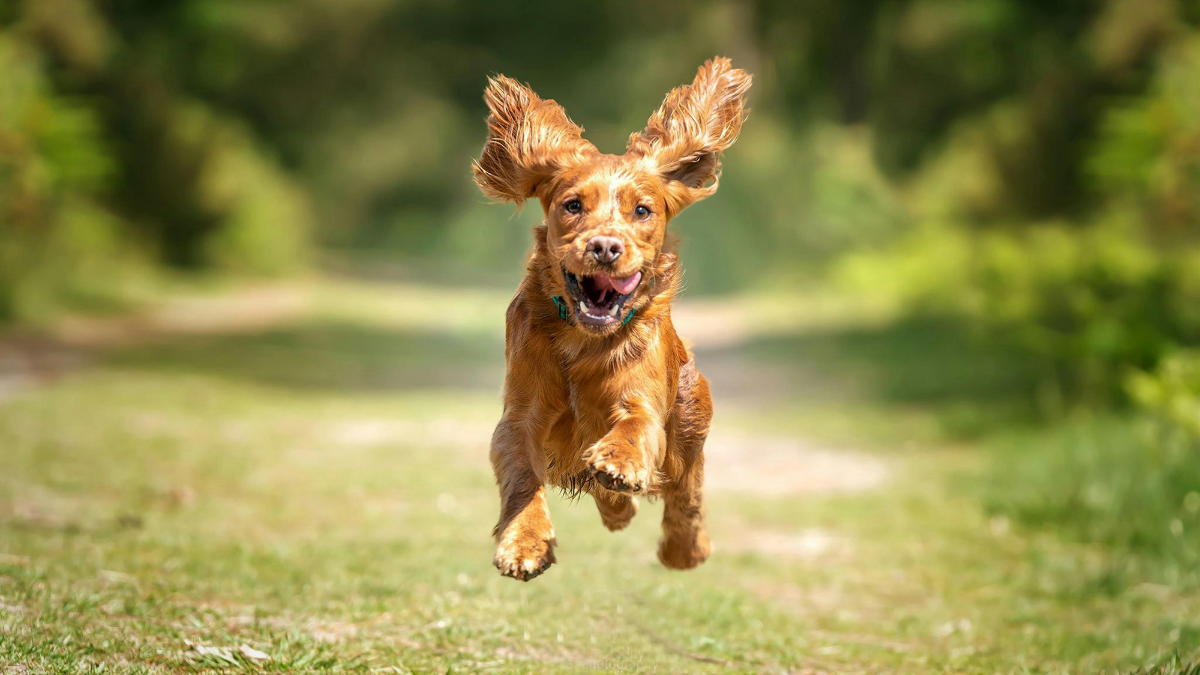
One minute your dog is relaxing, and the next they're racing through the house at full speed. These sudden bursts of energy—commonly called zoomies—are one of many playful behaviors dogs use to express excitement and engage with their surroundings. Zoomies are especially common in puppies and younger dogs, although dogs of any age may experience them. Understanding zoomies and other forms of play can help you recognize what's normal for your dog and create safer opportunities for fun.
What Are Dog Zoomies?
The technical term commonly used for zoomies is frenetic random activity periods (FRAPs). During an episode, your dog might suddenly sprint, race in circles, rapidly change direction, or repeatedly run along the same route. These bursts are generally brief before your dog returns to their previous activity.
What Triggers the Zoomies?
Zoomies often appear when your dog is excited or has energy to release. You might notice them after:
- A bath
- Playtime
- Being confined for a while
- Going outside
- Exciting social interactions
- Certain predictable times of day
Not every episode has the same cause, so paying attention to what happened immediately beforehand can help you recognize your dog's patterns.
Keeping Zoomies Safe
The behavior itself may be less concerning than where it happens. A dog sprinting at full speed could collide with furniture, people, stairs, doors, or slippery surfaces. Whenever possible, give your dog a secure space with good footing and enough room to move. Avoid turning indoor zoomies into a chase, since chasing your dog may increase their excitement.
Other Common Playful Dog Behaviors
Zoomies are only one part of canine play. Your dog may express excitement and enjoyment in several other recognizable ways.
Play Bows
When your dog lowers their front end while keeping their rear elevated, they're displaying what's known as a play bow. You may also see bouncing, tail wagging, quick approaches and retreats, running, or playful barking.
Chasing
Dogs commonly chase each other during play. Comfortable interactions often include pauses, role reversals, and both dogs voluntarily returning to the game. If one dog repeatedly tries to escape, hides, or appears uncomfortable while another continues pursuing, it may be time to interrupt the interaction.
Play Growling
Growling doesn't automatically mean aggression. Some dogs vocalize during tugging, wrestling, and chasing. Look at your dog's entire body language. Loose movement and voluntary re-engagement provide very different context from stiffness, prolonged staring, or attempts to escape.
Bringing You Toys
When your dog arrives carrying a ball or favorite stuffed toy, they may be inviting you to play. Dogs can learn that bringing objects leads to throwing, tugging, attention, or another enjoyable activity. Others simply enjoy carrying their favorite things around.
Tugging and Fetching
Tug can provide both interaction and physical activity when you use an appropriately sized toy. Fetch combines chasing, tracking movement, carrying, and retrieving, although not every dog naturally wants to bring the toy back.
Pouncing and Shaking Toys
Some dogs stalk and pounce on toys or vigorously shake plush toys from side to side. These actions can be normal parts of play related to behavioral patterns involving chasing, grabbing, carrying, and searching. Inspect toys regularly, especially when your dog plays vigorously, and remove damaged items with exposed stuffing, squeakers, or loose components.
Know When Your Dog Needs a Break
Energetic play can sometimes become too intense. Your dog may begin moving faster, playing more roughly, vocalizing more, or responding less reliably to familiar cues. Watch for repeated attempts to leave, hiding, sudden stiffness, tucked posture, avoidance, or persistent unwanted pursuit. Short breaks can help keep play comfortable for everyone involved.
Every Dog Plays Differently
Puppies often combine zoomies, chasing, wrestling, toy grabbing, and sudden naps. Senior dogs can remain playful too, although they may prefer gentler fetch, sniffing games, training, or shorter bursts of activity. What matters most is learning your dog's normal patterns. Notice what triggers excitement, which games they enjoy, and how easily they settle afterward. A significant unexplained change in normal behavior deserves more attention than zoomies themselves.
From Zoomies to Nap Time
Zoomies, play bows, chasing, fetching, tugging, and toy shaking can all be part of a dog's playful personality. Giving your dog appropriate opportunities to move, explore, interact, and play lets these behaviors happen in safer and more enjoyable ways. Just remember that unusual movements aren't always playful. Disorientation, loss of balance, apparent pain, difficulty walking, collapse, seizure-like activity, or sudden major behavioral changes should be discussed with a veterinarian.