Buying Guides

How to Find the Best Digital Products to Sell on Shopify
Selling digital products can be an accessible way to start an online business without managing physical inventory, packaging, or shipping. From downloadable planners to online courses, digital goods allow you to create something once and sell it repeatedly through an online storefront.
If you're researching the best digital products to sell on Shopify, you'll find plenty of opportunities across education, design, business, entertainment, and personal productivity.
The right choice depends on your skills, target customers, production costs, and marketing strategy. This guide covers 12 digital product ideas, potential selling prices, and practical tips for building a Shopify store that customers can use confidently.

How Shopify Online Store Builder Works for Beginners and Small Businesses
Starting an online business has become easier with platforms that help you create a professional website without advanced technical knowledge. The Shopify online store builder provides tools for designing an ecommerce website, managing products, processing payments, and handling customer orders from one dashboard.
If you want to sell physical products, digital downloads, or subscription-based products, Shopify provides features that support different business models. Understanding how the platform works, its pricing structure, and its customization options can help you decide if it fits your business goals. This guide explains how to create an online store using Shopify, the features available, and the factors you should review before launching your website.

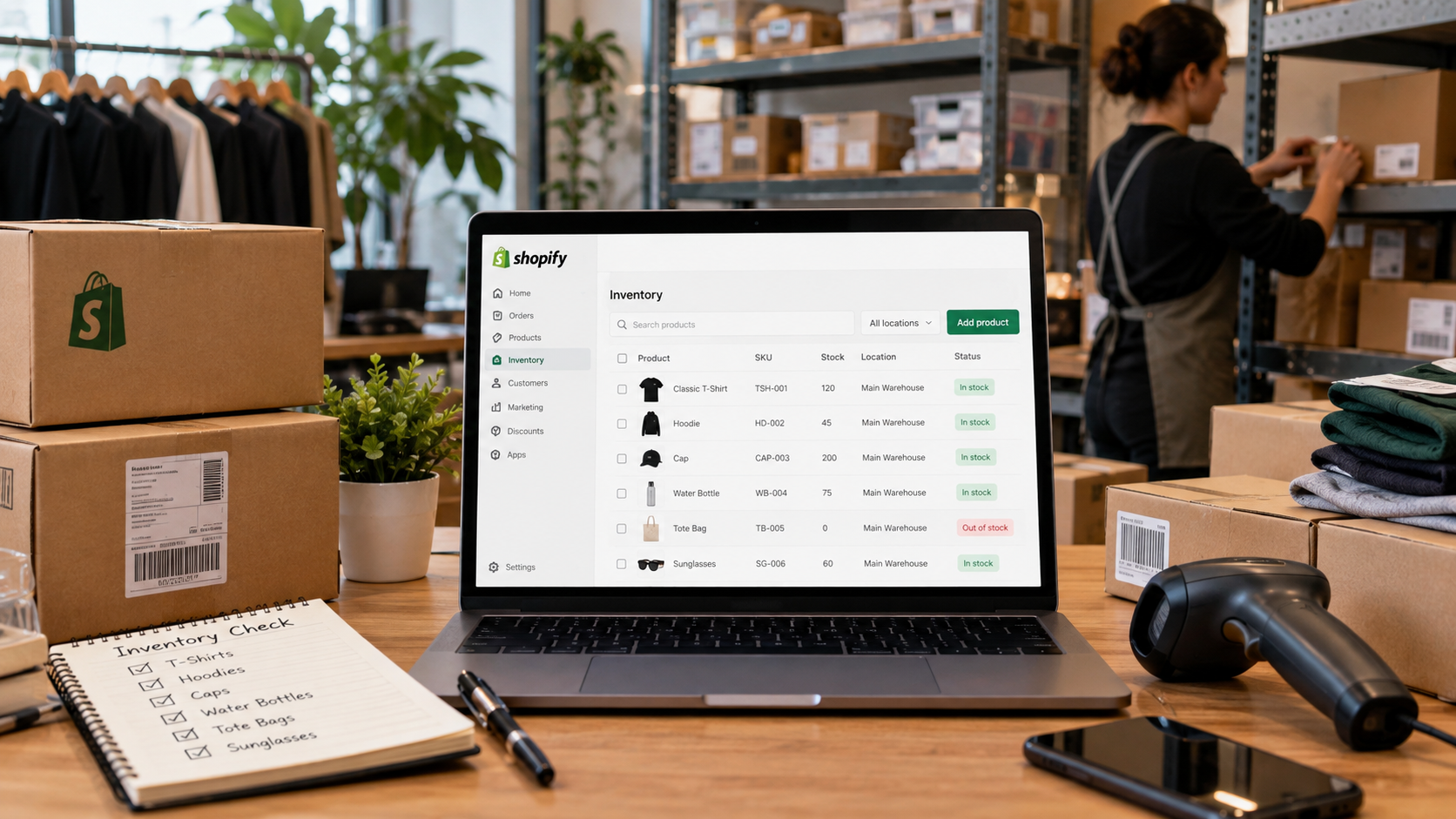
How Shopify Inventory Management Works for Ecommerce and Retail Businesses
Managing stock accurately becomes increasingly important as an ecommerce business adds products, sales channels, warehouses, and retail locations. Shopify inventory management gives merchants built-in tools for tracking stock, handling purchase orders, transferring inventory, reviewing product performance, and coordinating online and in-person sales from Shopify Admin.
Instead of requiring a separate inventory platform at launch, Shopify includes inventory functionality with its paid commerce plans. Businesses can begin with relatively simple SKU tracking and later connect apps, POS tools, warehouse systems, or ERP software as operational requirements increase.
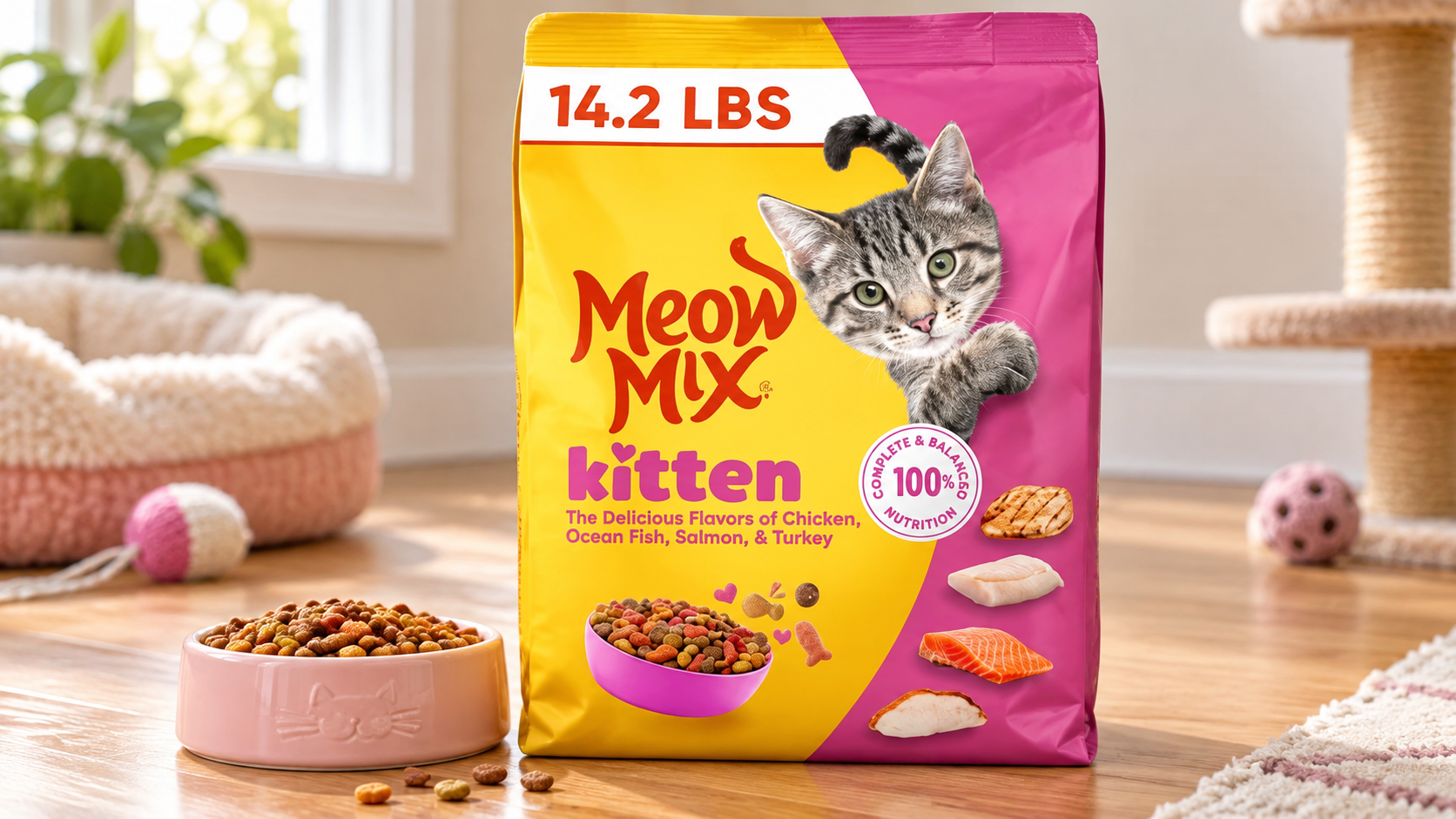
What Makes Meow Mix Kitten Li’l Nibbles Different From Adult Cat Food?
Finding food that matches your kitten’s growth stage can involve checking protein, fat, kibble size, ingredients, feeding directions, and cost. Meow Mix Kitten Li’l Nibbles Dry Cat Food is formulated specifically for growing kittens and comes in smaller pieces designed for little mouths.
The formula contains chicken by-product meal as its first listed ingredient, along with brewers rice, corn protein meal, ground corn, soybean meal, beef tallow, ocean fish meal, salmon meal, and turkey by-product meal. It provides at least 36% crude protein and 15% crude fat. The formula also contains DHA, taurine, calcium, phosphorus, vitamins, and minerals.
For shoppers comparing dry kitten food, the main questions are straightforward: Does the formula meet growth requirements? Are the pieces manageable for kittens? How much does it cost? And what ingredients are included?