10 Simple Ways to Keep Indoor Cats Active and Entertained
This post may contain affiliate links. Please read ourdisclosure policy
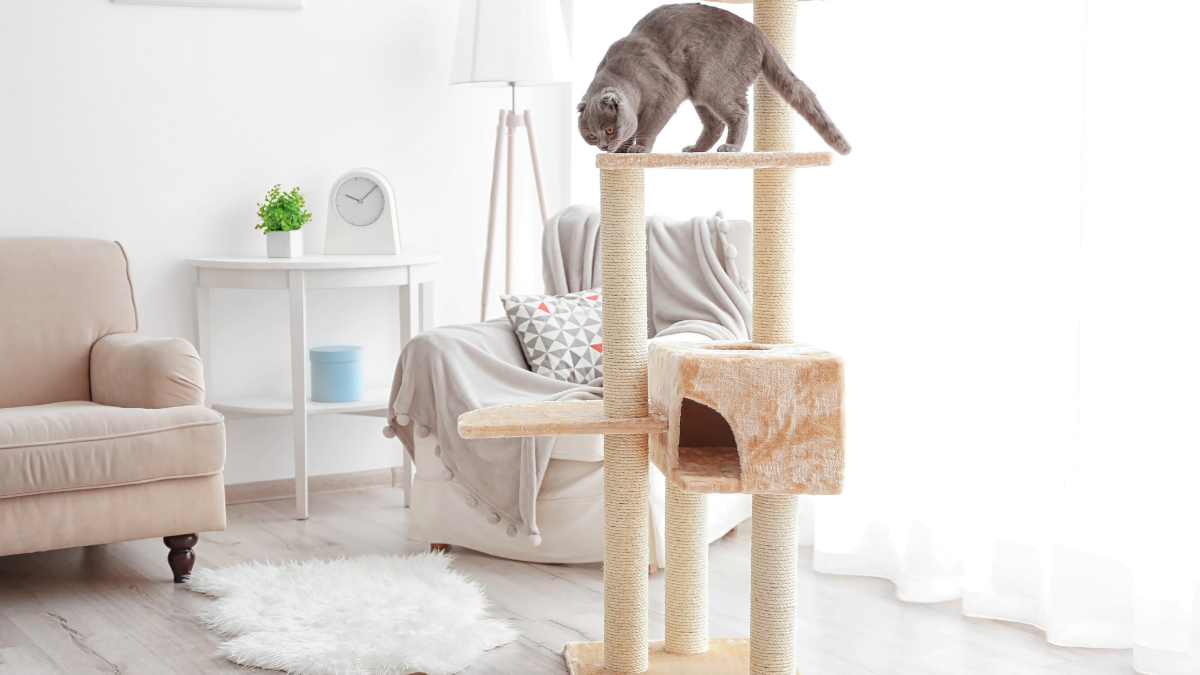
Living indoors can provide your cat with a comfortable and controlled environment, but your feline friend still needs plenty of opportunities to move, explore, climb, scratch, hunt, and play. Creating an enriching environment helps give indoor cats appropriate outlets for these natural behaviors. Fortunately, keeping your cat entertained doesn't require filling your home with expensive toys. A combination of interactive play, climbing areas, scratching surfaces, puzzles, and occasional changes to your cat's environment can make everyday indoor life much more interesting.
1. Schedule Interactive Play Sessions
One of the easiest ways to encourage activity is to play with your cat regularly. Interactive play can mimic some of the stalking, chasing, and pouncing behaviors cats naturally enjoy. Try experimenting with:
- Wand toys
- Feather-style toys
- Lightweight balls
- Toy mice
- Chase toys
Your cat may have strong preferences, so notice which movements and toys get the biggest reaction. Veterinary behavior guidance also recommends regular interactive play as an important part of indoor enrichment. Always supervise toys containing strings, ribbons, or similar components, and put them away after play when necessary.
2. Rotate Toys to Keep Things Interesting
Instead of leaving every toy on the floor permanently, divide your cat's collection into smaller groups and rotate them periodically. A toy that disappears for a while may seem much more interesting when it returns. Rotation also helps you determine which types of toys genuinely hold your cat's attention. You don't necessarily need to keep buying something new. Sometimes changing what's available is enough to make playtime feel fresh again.
3. Give Your Cat Vertical Space
Cats often enjoy seeing their surroundings from above. Cat trees, secure shelves, elevated beds, and window perches can increase your cat's usable territory without taking up much additional floor space. Veterinary guidance specifically recommends elevated resting and climbing areas as part of an enriched indoor environment. Make sure any climbing structure is stable and appropriate for your cat's size and physical abilities. Senior cats and cats with mobility limitations may benefit from lower platforms or easier routes between different levels.
4. Provide Different Scratching Options
Scratching isn't simply something cats do to furniture—it's normal feline behavior that provides stretching, claw conditioning, and marking opportunities. Experiment with several options, such as:
- Vertical scratching posts
- Horizontal cardboard scratchers
- Angled scratching boards
- Sisal surfaces
- Other cat-appropriate scratching materials
Place scratchers where your cat already spends time. If your cat prefers scratching horizontally, a tall vertical post may not be particularly appealing, so matching the scratcher's orientation and material to your cat's preferences can make a difference.
5. Turn Mealtime Into an Activity
Instead of serving every meal in a standard bowl, consider occasionally incorporating puzzle feeders or food-dispensing toys. These products encourage your cat to paw, roll, push, search, or otherwise interact with an object to reach food. Food-based enrichment can provide both physical activity and mental stimulation while tapping into natural seeking and hunting behaviors. Start with an easy puzzle so your cat can learn how it works. Any food used for enrichment should also be considered when managing your cat's overall daily food intake.
6. Create an Interesting Window Spot
Sometimes entertainment is already happening outside. A secure window perch can give your cat a comfortable location for watching birds, people, leaves, passing vehicles, and other outdoor activity. Windows with interesting views can become valuable enrichment areas for indoor cats. Before creating the space, make sure windows and screens are secure. Your cat shouldn't be able to push through a loose screen or reach an unsafe opening.
7. Make Safe Hiding and Exploration Areas
Cats often enjoy exploring enclosed spaces, and you don't necessarily need specialized furniture to provide them. Try introducing:
- Cardboard boxes
- Cat tunnels
- Open carriers
- Covered cat beds
- Safe hiding spaces
Even rearranging a few boxes occasionally can create something new to investigate. Inspect temporary enrichment items carefully before offering them. Remove loose tape, staples, strings, damaged cardboard, or other components that could create a hazard.
8. Try Simple Reward-Based Training
Dogs aren't the only pets capable of learning cues. Short training sessions can give your cat another form of mental stimulation while creating opportunities for positive interaction with you. Depending on your cat's personality, you could work on behaviors such as coming when called, touching a target, entering a carrier voluntarily, or moving to a designated location. Keep training sessions short and enjoyable. Some cats respond enthusiastically to food rewards, while others may be more interested in toys, play, or attention.
9. Create Different Activity Zones
Instead of keeping every toy, scratcher, and resting place in one part of the house, create several areas with different purposes. One area might feature a cat tree and scratching post. Another could provide a quiet window perch. Somewhere else might become your regular interactive-play space. Providing multiple resources and opportunities for play, climbing, resting, scratching, and exploration can create a more stimulating indoor environment. Current feline welfare guidance emphasizes providing cats with separated resources, safe places, and opportunities for play and predatory behavior. This approach can also naturally encourage your cat to move around the home throughout the day.
10. Keep Enrichment Fresh
Even an excellent environment can become predictable. You don't need to redesign your home every week, but occasional small changes can introduce novelty. You might rotate toys, move a scratcher, introduce another cardboard box, change a puzzle feeder, or create a different play route. Pay attention to how your cat responds. Some cats enthusiastically investigate anything new, while others prefer gradual changes. Enrichment works best when it's tailored to the individual cat rather than following a one-size-fits-all formula.
Match Activities to Your Cat
Your cat's age, personality, mobility, and preferences should guide the activities you provide. Kittens may have seemingly endless energy and frequently seek opportunities to run, chase, climb, and explore. Adult cats can benefit from regular interactive play and environmental variety, while senior cats may prefer gentler activities, accessible resting areas, easier puzzles, and lower climbing surfaces. Pay attention to changes in normal behavior or activity as well. If your cat suddenly becomes significantly less active or shows other unexplained behavioral changes, consider discussing the change with your veterinarian.
Don't Forget Toy and Equipment Safety
Regularly inspect anything your cat plays with, scratches, or climbs on. Watch for loose strings, exposed stuffing, broken pieces, sharp edges, unstable platforms, frayed materials, or components small enough to be swallowed. String and ribbon toys deserve particular care because ingesting these materials can be dangerous. Follow manufacturer instructions regarding assembly, supervision, intended use, and weight limits.