Trimming Dog Nails: A Step-by-Step Guide to Safe and Stress-Free Grooming
This post may contain affiliate links. Please read ourdisclosure policy
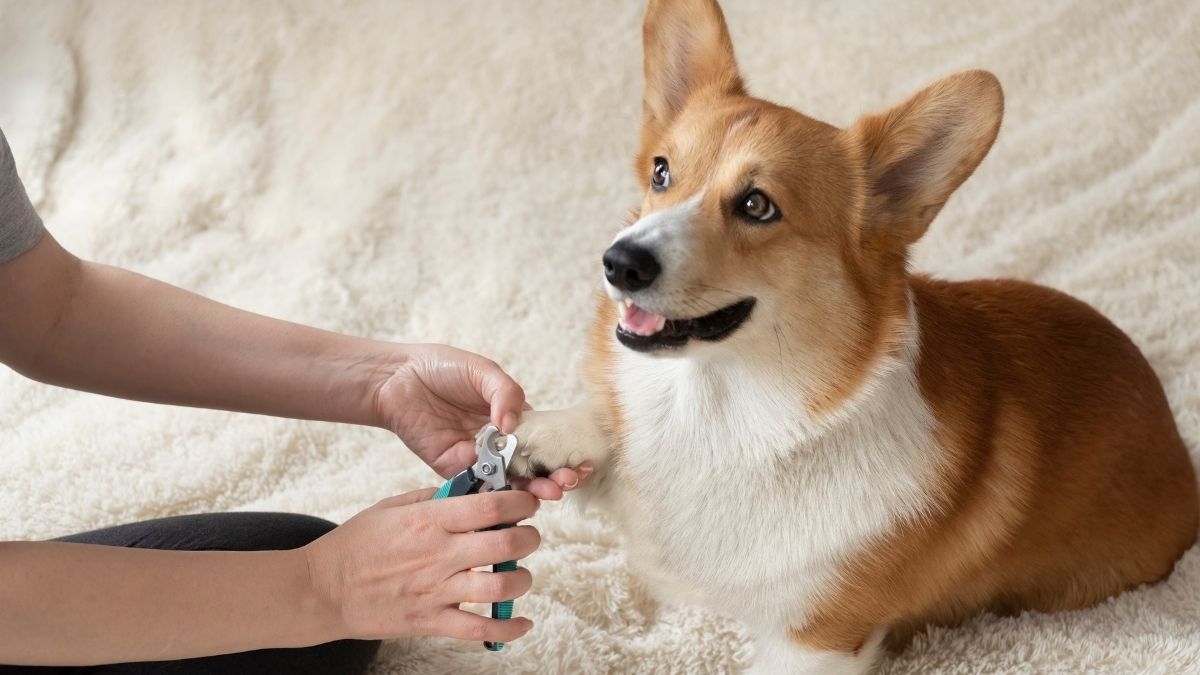
Regularly trimming your dog's nails is an important part of maintaining their overall health and comfort. Overgrown nails can make walking uncomfortable, affect posture, and even increase the risk of injuries. While nail trimming may seem intimidating at first, using the right tools and techniques can help make the process easier for both you and your dog. Whether you're trimming your dog's nails for the first time or looking to improve your grooming routine, here's what you need to know.
Why Trimming Dog Nails Is Important
Keeping your dog's nails at an appropriate length offers several benefits. Regular nail trims can help:
- Improve comfort while walking
- Support healthy posture and movement
- Reduce the risk of broken or torn nails
- Prevent nails from growing into the paw pads
- Protect floors and furniture from scratches
- Make everyday activities more comfortable for your dog
If you hear your dog's nails clicking on hard floors, it's usually a sign they're ready for a trim.
Tools You'll Need
Before you begin, gather everything you'll need in one place. Helpful supplies include:
- Dog nail clippers or a nail grinder
- Styptic powder (or cornstarch as a temporary alternative)
- Dog treats
- A lick mat with a dog-safe spread (optional)
- Good lighting
- A towel if needed
Having supplies within reach helps make the process smoother.
Choosing Between Nail Clippers and Nail Grinders
Both tools can be effective, and the best choice depends on your comfort level and your dog's preferences.
Nail Clippers
Dog nail clippers provide quick, clean cuts and are available in several styles, including scissor-style and guillotine-style models. They work well for routine maintenance when used carefully.
Nail Grinders
Nail grinders gradually file the nail instead of cutting it. Many pet owners prefer grinders because they allow for smaller adjustments and smoother nail edges, although some dogs may need time to become comfortable with the sound and vibration.
How to Trim Your Dog's Nails
Following a calm, step-by-step approach can help reduce stress.
- Allow your dog to relax before starting.
- Hold the paw gently but securely.
- Extend the nail by applying light pressure to the toe.
- Trim only a small portion of the nail at a time.
- Reward your dog with praise and treats throughout the session.
- Continue gradually until each nail reaches an appropriate length.
If your dog becomes anxious, it's perfectly fine to trim only a few nails and finish later.
How to Avoid Cutting the Quick
The quick is the sensitive inner portion of the nail that contains blood vessels and nerves. For dogs with light-colored nails, it's usually visible as a pink area. Dogs with dark nails require extra caution since the quick is harder to see. To reduce the risk of cutting the quick:
- Trim small amounts at a time.
- Stop if you notice a dark center appearing in the nail.
- Use good lighting.
- Take your time rather than removing too much at once.
What If You Cut the Quick?
Accidents can happen, even to experienced pet owners. If the nail begins to bleed:
- Stay calm.
- Apply styptic powder to help stop the bleeding.
- Comfort your dog with praise and treats.
- Allow the nail time to recover before continuing.
If bleeding doesn't stop or your dog appears to be in significant pain, contact your veterinarian.
How Often Should You Trim Your Dog's Nails?
The ideal schedule varies depending on your dog's activity level and how quickly their nails grow. Many dogs benefit from nail trims every three to four weeks, although highly active dogs that regularly walk on concrete may naturally wear their nails down more quickly. Regular trimming also helps the quick gradually recede, making future nail maintenance easier.
Tips for Making Nail Trims Easier
Positive experiences can help your dog become more comfortable with grooming. Try these tips:
- Handle your dog's paws regularly between trims.
- Introduce clippers or grinders gradually.
- Reward calm behavior with treats.
- Keep sessions short.
- Work in a quiet environment with minimal distractions.
- End each session on a positive note.
With patience and consistency, many dogs become much more relaxed during nail care.
Dog Nail Care Supplies Available at Chewy
Chewy offers a variety of grooming tools to help simplify nail maintenance, including dog nail clippers, nail grinders, styptic powder, lick mats, treats, and other grooming essentials for dogs of all sizes.
Final Thoughts
Trimming dog nails is an essential part of your dog's grooming routine that supports healthy movement and everyday comfort. By using the right tools, trimming gradually, and creating positive experiences, you can make nail care less stressful for both you and your pet. With regular maintenance and plenty of patience, you'll help keep your dog's paws healthy while making grooming a routine they can learn to tolerate—and maybe even enjoy.