Tobramycin Eye Drops 0.3%: Targeted Relief for Bacterial Eye Infections
This post may contain affiliate links. Please read ourdisclosure policy
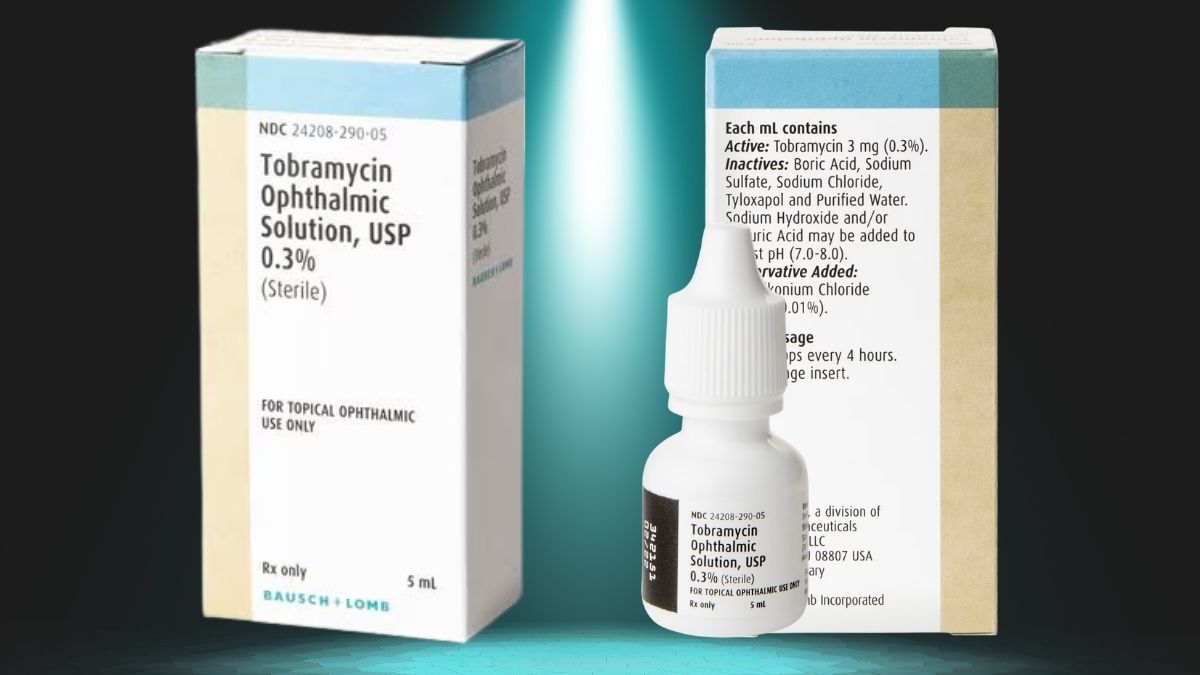
Before you evaluate whether this medication is right for you, it’s important to understand its purpose. Tobramycin Ophthalmic Solution 0.3% is a prescription antibiotic designed specifically for bacterial eye infections, not general irritation or allergy relief.
This distinction is critical. If your symptoms are caused by viruses or allergies, this medication won’t help and may delay proper treatment. However, when bacteria are the root cause, it delivers focused and effective results directly at the infection site.
How Tobramycin Works
To make a confident decision, you need to understand how this medication functions. Tobramycin belongs to the aminoglycoside class of antibiotics and works by disrupting bacterial protein synthesis, stopping bacteria from growing and multiplying.
Because it’s applied directly to your eye, it provides localized treatment with minimal systemic absorption. This targeted approach allows for faster action while reducing the likelihood of widespread side effects compared to oral antibiotics.
Common Uses and Effectiveness
Before starting treatment, you should know where this medication is most effective. Tobramycin is commonly prescribed for bacterial conjunctivitis, keratitis, and infection prevention after minor eye injuries or procedures.
It targets a range of bacteria, including Staphylococcus, Streptococcus, E. coli, Pseudomonas aeruginosa, and Klebsiella. However, it’s important to recognize its limitation—it does not treat viral or fungal infections. That’s why proper diagnosis remains essential for achieving the best outcome.
Dosage and Treatment Timeline
Understanding how to use this medication properly helps you get the best results. Your dosage depends on the severity of the infection, and consistency is key to recovery.
Mild to moderate infections typically require fewer applications, while severe infections may need more frequent dosing at the beginning. Most treatment courses last between 5 and 12 days, and you’ll often notice improvement within the first 24 to 48 hours. Even if symptoms improve quickly, you should complete the full course to avoid recurrence or antibiotic resistance.
Practical Benefits and Limitations
Now that you understand how it works, it’s helpful to evaluate what you can realistically expect. Like any medication, Tobramycin offers clear benefits along with some trade-offs you should consider.
- Fast symptom relief, often within one to two days
- Broad-spectrum coverage for common bacterial eye infections
- Cost-effective generic alternative to brand-name options
- Easy-to-use dropper for accurate application
- Requires a prescription before use
- Ineffective for viral, fungal, or allergy-related conditions
- Frequent dosing may be inconvenient in severe cases
- Mild burning or irritation can occur during application
Weighing these points helps you decide whether this treatment aligns with your needs and expectations.
Side Effects and Safety Considerations
Before using this medication, you should be aware of potential side effects and safety guidelines. Most people tolerate Tobramycin well, but mild reactions such as temporary burning, redness, or irritation may occur.
In rare cases, allergic reactions can develop, particularly if you have a known sensitivity to aminoglycoside antibiotics. To reduce risks, avoid touching the dropper tip to any surface, stop wearing contact lenses during treatment, and follow your prescribed dosage carefully. These simple precautions can significantly improve both safety and effectiveness.
Veterinary Use: A Practical Advantage
An important aspect to consider is its versatility. Tobramycin is also widely used in veterinary medicine and is commonly prescribed for dogs and cats with bacterial eye infections such as conjunctivitis or corneal issues.
This dual-purpose use can be convenient if you manage both your own and your pet’s health. However, you should never apply human dosing instructions to pets without veterinary guidance, as dosing and frequency can differ significantly.
User Feedback and Real-World Reliability
Looking at user experience can help you set realistic expectations. Tobramycin consistently receives strong ratings, averaging around 4.7 out of 5 stars.
Users frequently report fast symptom improvement, reliable infection control, and good value compared to brand-name alternatives. Some users note mild discomfort during application or inconvenience with frequent dosing, especially in more severe cases. These factors are worth considering depending on your lifestyle and tolerance.
Your Decision Guide: When Tobramycin Makes Sense
If you’ve been properly diagnosed with a bacterial eye infection, Tobramycin Ophthalmic Solution 0.3% offers a dependable and fast-acting solution. Its targeted mechanism, broad coverage, and affordability make it a practical choice for effective treatment.
However, its success depends entirely on correct diagnosis and consistent use. If your condition is not bacterial, alternative treatments will be more appropriate.
For pet owners, this medication can also play a valuable role in veterinary care when prescribed correctly. If you’re looking to support your pet’s overall health beyond treatment, consider browsing Chewy for medications, supplies, and even thoughtful gift ideas that help make long-term care easier and more convenient.