How to Start Automotive DIY Upgrades Without Costly Mistakes, Safety Risks, or Wasted Money on the Wrong Parts
This post may contain affiliate links. Please read ourdisclosure policy
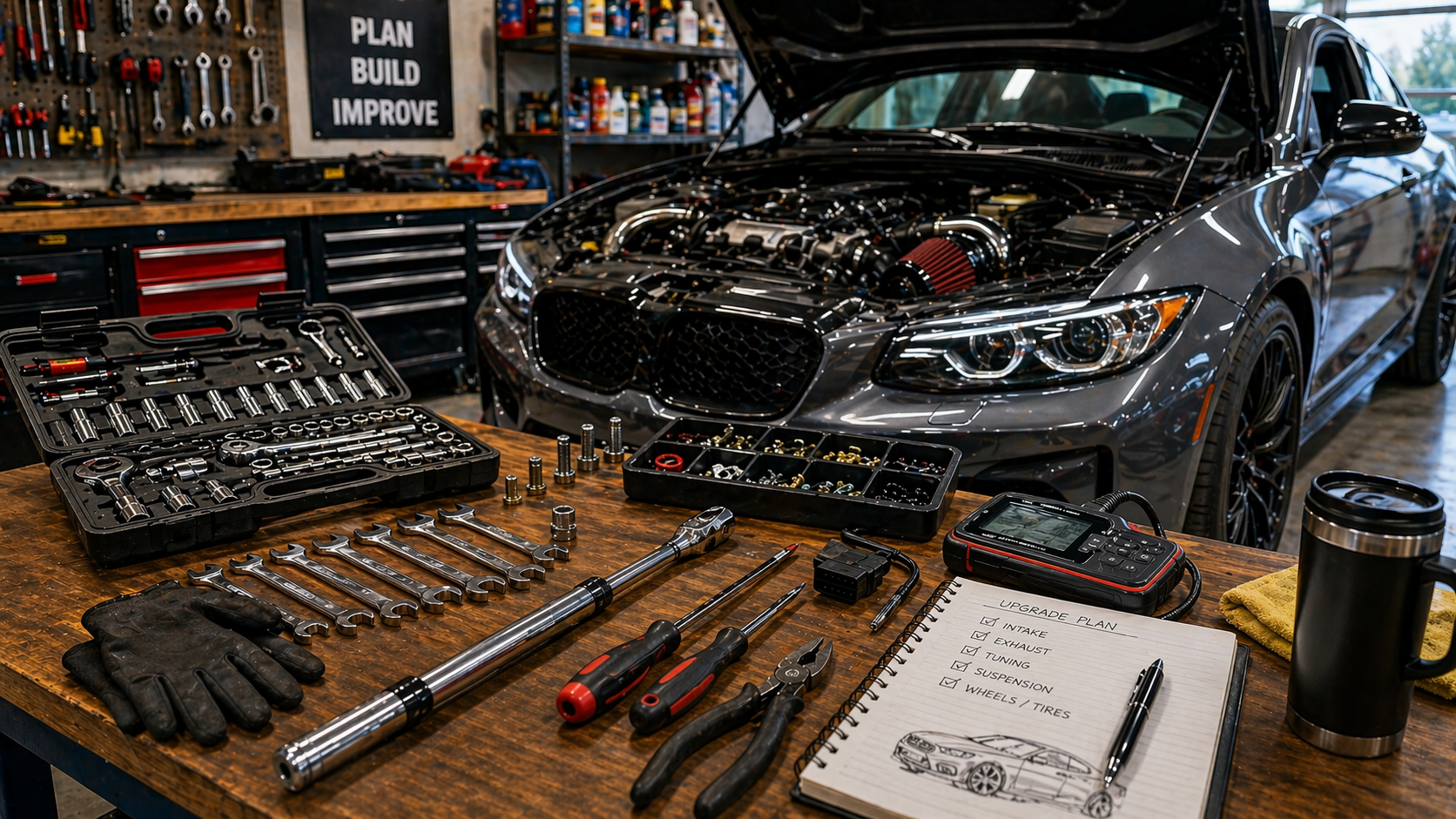
Getting into automotive DIY upgrades can feel overwhelming at first. There are tools to learn, parts to choose, and safety steps to follow. But with the right approach, even beginners can start making meaningful improvements without risking damage or wasted money. This guide focuses on the fundamentals—what you need, what to avoid, and how to build confidence step by step. Whether you're planning your first upgrade or just exploring the idea, understanding the basics will help you work smarter and safer from the start.
Why Safety Should Always Come First
Before touching any part of your car, safety needs to be locked in. Mistakes here are not minor—they can be dangerous. Always work on a flat surface with proper lighting. Stability and visibility reduce errors.
- Never rely on a jack alone—use jack stands every time
- Wear gloves and safety glasses for protection
- Disconnect the battery before electrical work
These habits prevent injuries and protect your vehicle from damage.
Start Simple to Build Confidence
Jumping into complex upgrades too early leads to frustration. Start with easy wins.
- Air filters and intake systems are beginner-friendly
- Spark plugs offer quick performance improvements
- Cosmetic upgrades help you learn without risk
Bolt-on parts are ideal. They install without permanent changes and can be removed if needed.
Follow Instructions Like a Process, Not a Suggestion
Skipping steps is one of the fastest ways to create problems. Every detail matters. Read the full guide before starting. Understand the entire process first.
- Use tutorial videos to visualize the steps
- Organize bolts and parts during removal
- Keep tools and components labeled
This approach avoids confusion when reassembling everything.
Plan Before You Buy Anything
Not all upgrades work well together. Planning avoids wasted money and poor performance. Research compatibility with your specific vehicle. Even small differences matter.
- Intake, exhaust, and tuning upgrades should align
- Budget for extra tools and unexpected parts
- Consider long-term upgrade paths, not just one mod
Smart planning turns random upgrades into a cohesive system.
Choose Quality Parts Over Cheap Options
Cutting corners on parts often leads to repeat work. Reliability should always come first. Retailers like Summit Racing make it easier to find trusted components with verified specs and reviews. This reduces guesswork for beginners. Spending a bit more upfront usually saves money over time.
Take Your Time and Double-Check Everything
Rushing leads to stripped bolts, missed steps, and costly fixes. Give yourself more time than you think you need.
- Recheck all fasteners before finishing
- Confirm connections are secure
- Avoid forcing parts that don’t align
Patience is one of the most valuable tools you have.
Know When to Step Back and Ask for Help
Some upgrades are better left to professionals. Recognizing limits saves money and prevents damage.
- Engine internals and transmission work require expertise
- Complex tuning may need specialized equipment
- Forums and communities can guide you through challenges
Learning includes knowing when not to proceed.
Test Everything After Installation
Your job isn’t done when the part is installed. Testing confirms everything works as expected. Start the engine and listen carefully. Look for anything unusual.
- Check for leaks or loose components
- Watch for warning lights on the dashboard
- Take a short test drive in a safe area
This step catches issues early before they become serious problems.
Build Skills One Project at a Time
Experience compounds over time. Each upgrade teaches something new. Start small, then move to more complex work as your confidence grows. Reflect on what worked and what didn’t. DIY upgrades are not just about saving money. They help you understand your vehicle on a deeper level.
Why DIY Automotive Work Is Worth the Effort
Learning to work on your own car builds both skill and independence. You gain control over maintenance, upgrades, and performance decisions. With the right tools, careful planning, and patience, even beginners can achieve reliable results.