How Shopify SEO Improves Store Visibility and Increases Ecommerce Revenue Naturally
This post may contain affiliate links. Please read ourdisclosure policy
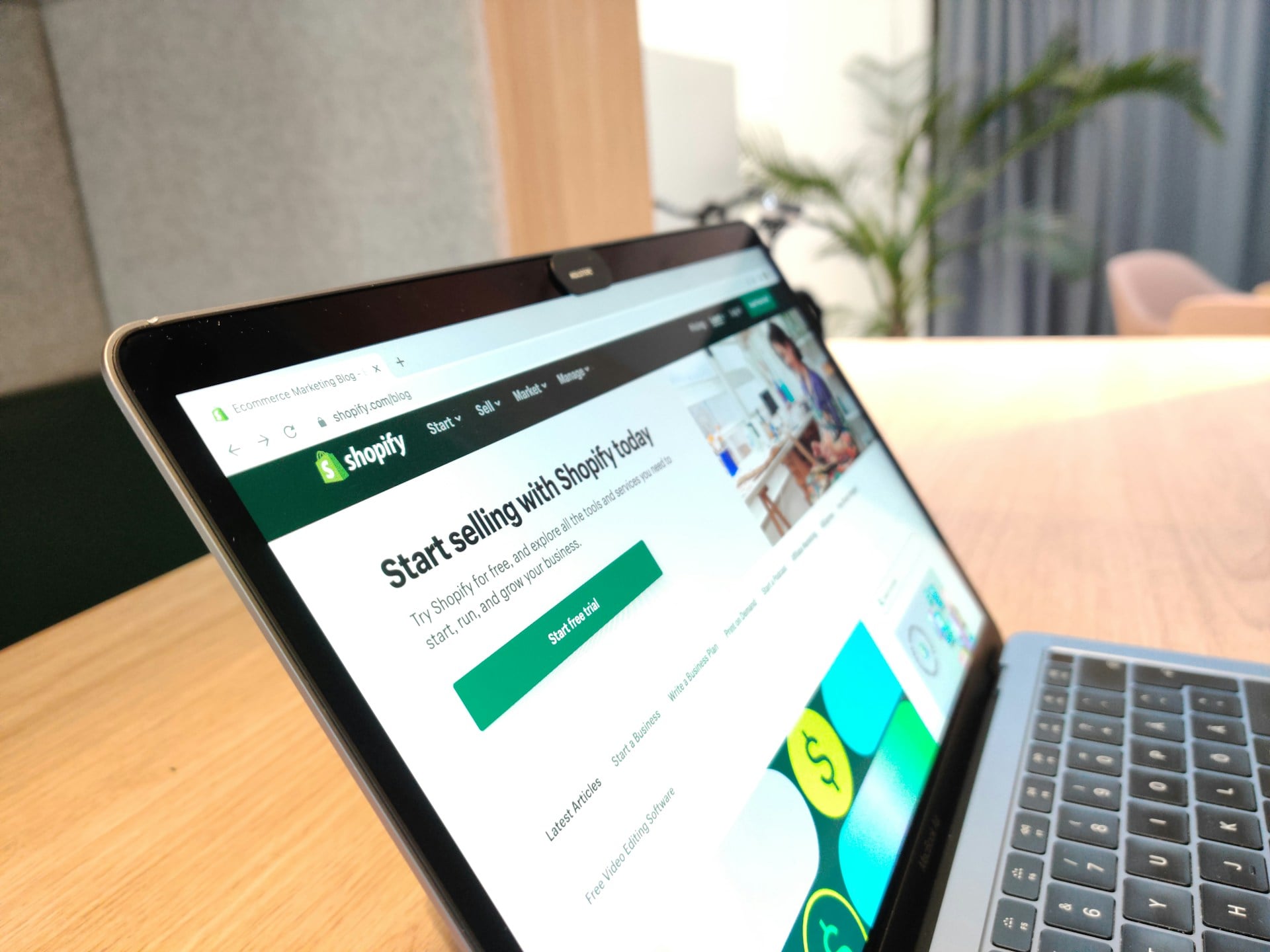
Launching an online store is only the first step toward building a successful ecommerce business. To attract consistent visitors without relying entirely on paid advertising, Shopify SEO should become an important part of your marketing strategy.
Search engine optimization helps your store appear in Google search results when potential customers look for products similar to yours. Better rankings can lead to more qualified traffic, increased sales, and stronger brand visibility over time.
Shopify already includes several built-in SEO features, but getting the best results requires more than simply publishing products. Optimizing your content, improving site speed, organizing collections, and building quality backlinks all contribute to stronger search performance.
Shopify SEO: What Is It?
Shopify SEO is the process of optimizing your Shopify store so search engines like Google can better understand, index, and rank your website.
SEO focuses on improving multiple areas, including:
- Product pages
- Collection pages
- Blog articles
- Images
- Website structure
- Site speed
- Mobile usability
- Internal links
- Metadata
The goal is to increase organic traffic without paying for every visitor through advertising.
Why Shopify SEO Matters
More than 90% of online experiences begin with a search engine. If your products don't appear on the first page of Google, potential customers may never find your business.
Benefits of Shopify SEO include:
- More free organic traffic
- Higher search engine rankings
- Increased brand awareness
- Better customer trust
- Higher conversion rates
- Lower long-term marketing costs
- Sustainable business growth
Unlike paid ads that stop producing traffic once your budget runs out, SEO continues generating visitors over time.
Shopify's Built-In SEO Features
Shopify includes several helpful SEO tools right out of the box.
Custom Title Tags
Every product, collection, and page allows custom SEO titles.
Meta Descriptions
Write compelling descriptions that encourage users to click your listing.
Mobile-Friendly Themes
Most Shopify themes automatically adapt to smartphones and tablets.
SSL Certificate
Every Shopify store receives a free SSL certificate, improving security and supporting search rankings.
Automatic Sitemap
Shopify generates an XML sitemap automatically, making it easier for search engines to crawl your site.
Canonical Tags
Duplicate content issues are reduced through automatic canonical URLs.
Optimize Product Pages
Your product pages should provide useful information while naturally incorporating keywords.
Include:
- Descriptive product titles
- Detailed product descriptions
- Feature lists
- Benefits
- Specifications
- Frequently asked questions
- Customer reviews
Instead of writing: Running Shoes
Write: Men's Lightweight Running Shoes with Breathable Mesh Upper The more descriptive your content is, the easier it becomes for search engines to understand your products.
Improve Collection Pages
Collection pages often rank for competitive shopping keywords.
Optimize them by adding:
- Original introductions
- Buying guides
- Category descriptions
- Internal links
- Relevant keywords
Avoid leaving collection pages nearly empty with only product listings.
Create Helpful Blog Content
Blogging remains one of the most effective Shopify SEO strategies. Educational articles attract visitors before they're ready to purchase.
Examples include:
- Buying guides
- Product comparisons
- Tutorials
- Maintenance tips
- Gift guides
- Seasonal shopping advice
- Industry trends
Each blog post creates another opportunity to rank in search engines.
Optimize Images
Large images can slow your website.
Best practices include:
- Compress images
- Use descriptive filenames
- Add keyword-rich alt text
- Choose modern formats like WebP
- Keep image sizes optimized
Example filename: black-leather-wallet.jpg
Example alt text: "Black leather men's wallet with RFID protection"
Improve Site Speed
Google considers page speed a ranking factor.
Ways to improve loading speed include:
- Compress images
- Remove unnecessary apps
- Use lightweight themes
- Minimize JavaScript
- Enable browser caching
- Reduce redirects
Focus on Mobile Optimization
More than half of ecommerce traffic comes from mobile devices.
Test your Shopify store on:
- Smartphones
- Tablets
- Different browsers
- Various screen sizes
Customers should easily browse products, read descriptions, and complete purchases.
Build Internal Links
Internal linking helps search engines discover your pages.
Examples include linking:
- Blog posts to products
- Products to collections
- Collections to buying guides
- Related products together
This also encourages visitors to stay longer on your website.
Earn High-Quality Backlinks
Backlinks remain one of Google's strongest ranking signals.
Ways to build backlinks include:
- Guest posting
- Product reviews
- Influencer collaborations
- Industry partnerships
- Resource pages
- Digital PR
- Shareable content
Optimize Technical SEO
Technical SEO keeps your Shopify store easy for search engines to crawl.
Review:
- Broken links
- Duplicate content
- Redirects
- XML sitemap
- Robots.txt
- Structured data
- HTTPS security
Technical improvements often produce significant SEO gains.
Use Structured Data
Schema markup helps search engines display richer search results.
Product schema may include:
- Product price
- Reviews
- Ratings
- Availability
- Brand
- Images
Rich snippets often increase click-through rates.
Monitor Performance
SEO requires continuous improvement.
Useful analytics tools include:
- Google Analytics 4 (Free)
- Google Search Console (Free)
- Ahrefs (From about $129/month)
- SEMrush (From about $139.95/month)
- Moz Pro (From about $49/month)
Monitor:
- Organic traffic
- Keyword rankings
- Bounce rate
- Conversion rate
- Indexed pages
- Click-through rate
Shopify SEO Apps Worth Considering
Several apps can simplify optimization.
Popular choices include:
App and Starting Price
- TinyIMG SEO & Speed – Free, paid plans from $14.99/month
- Plug In SEO – Free, premium plans from $29.99/month
- Smart SEO – From $9.99/month
- Booster SEO – Free, premium plans available
- SearchPie SEO – Free, premium plans from $39/month
While apps can automate certain tasks, creating valuable content remains essential.
Common Shopify SEO Mistakes
Avoid these common issues:
- Publishing duplicate product descriptions
- Ignoring metadata
- Using poor-quality images
- Slow-loading pages
- Missing alt text
- Thin category pages
- Broken links
- Keyword stuffing
- Neglecting mobile optimization
- Forgetting internal linking
Correcting these mistakes can noticeably improve search visibility.
Shopify SEO Checklist
Use this checklist to keep your store optimized:
- Research target keywords
- Optimize product titles
- Write unique product descriptions
- Create compelling meta descriptions
- Add image alt text
- Improve site speed
- Build internal links
- Publish helpful blog content
- Earn quality backlinks
- Monitor Google Search Console
- Fix broken links
- Optimize collection pages
- Use structured data
- Keep content updated
Shopify Pricing
Understanding Shopify's pricing can help you plan your SEO and ecommerce budget.
Plan and Monthly Price
- Basic: $39/month
- Grow: $105/month
- Advanced: $399/month
Additional costs you may encounter include:
- Domain name: $10–$20/year (or around $15–$22/year through Shopify)
- Premium theme: $100–$500 (one-time purchase)
- SEO apps: $10–$50+/month
- Professional SEO services: $500–$5,000+/month, depending on the scope of work
Start Improving Your Shopify SEO Today
Shopify SEO is one of the most valuable long-term investments for your online store. By optimizing your product pages, collections, blog content, images, and technical settings, you can improve your visibility in search engines and attract more qualified visitors without depending solely on paid advertising.
SEO takes time, but consistent improvements can lead to lasting results. Regularly update your content, monitor performance, and stay current with search engine best practices. As your store grows, a strong Shopify SEO strategy can help generate steady organic traffic, increase customer trust, and support sustainable ecommerce success.