How Royal Canin for Pets Supports Breed-Specific Health Through Balanced Nutrition
This post may contain affiliate links. Please read ourdisclosure policy
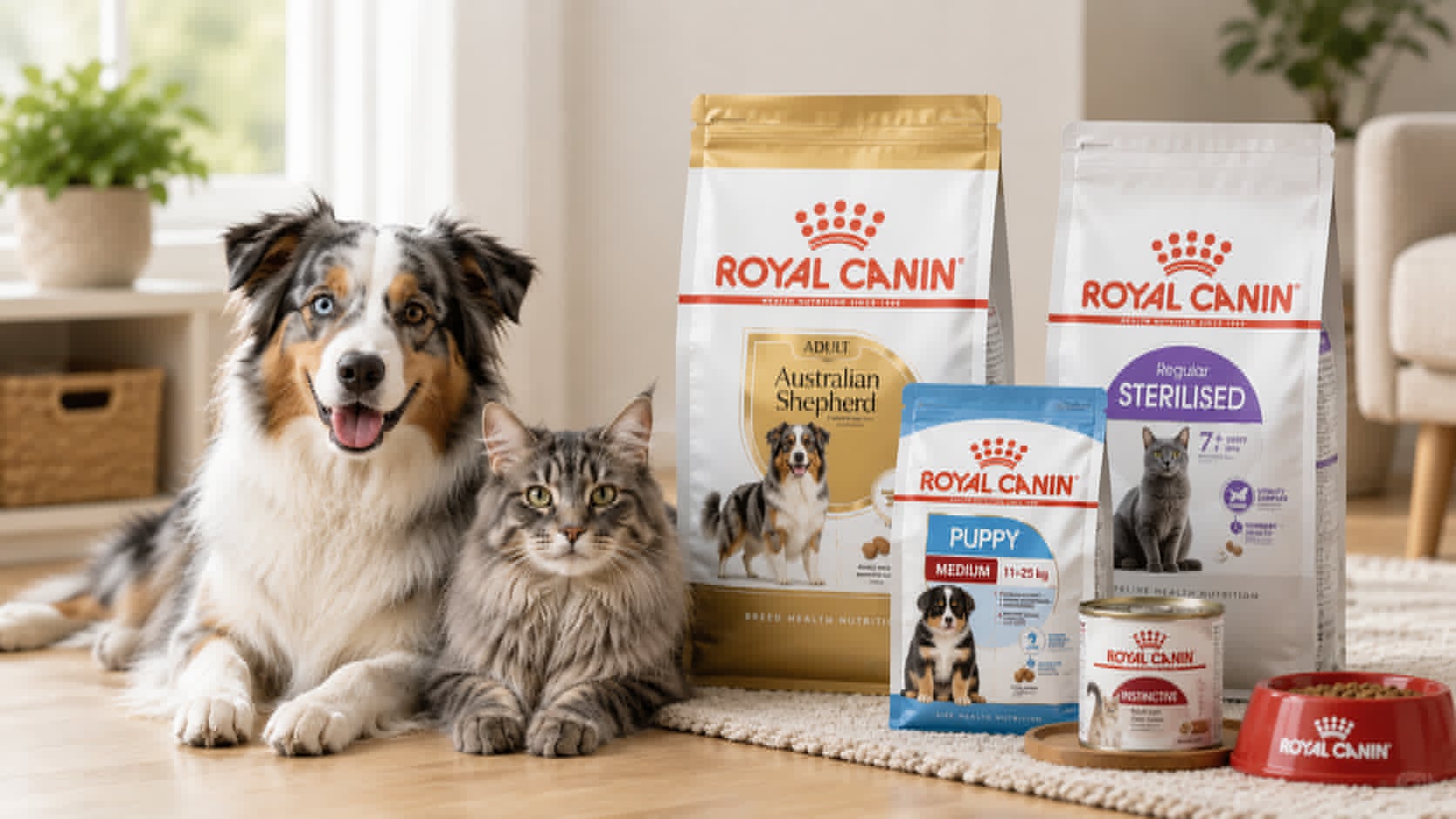
Choosing the right food plays a major role in your pet's health, energy, and long-term well-being. Royal Canin for pets has earned a strong reputation by developing formulas based on scientific research rather than following popular ingredient trends. Instead of offering the same recipe for every animal, the brand creates diets tailored to breed, size, age, lifestyle, and specific health conditions.
This targeted approach has made Royal Canin a trusted choice among many veterinarians and pet owners around the world. If you're comparing premium pet foods or looking for a specialized diet that supports your pet's unique needs, this guide covers everything from product options and pricing to benefits, limitations, and buying tips.
Royal Canin for Pets: Why Precision Nutrition Matters
Royal Canin designs pet food around your pet's individual nutritional requirements. Every recipe is developed using scientific research, veterinary expertise, and nutritional testing.
Unlike general pet foods, Royal Canin offers formulas that focus on factors such as:
- Breed
- Body size
- Age
- Activity level
- Medical conditions
- Digestive sensitivity
- Skin and coat health
This personalized approach helps support healthy growth, digestion, immune function, and overall wellness.
What Makes Royal Canin Different?
Royal Canin focuses on nutritional precision instead of broad, one-size-fits-all formulas.
Breed-Specific Nutrition
Many breeds have unique nutritional needs.
Popular breed formulas include:
- Labrador Retriever
- Golden Retriever
- French Bulldog
- German Shepherd
- Poodle
- Yorkshire Terrier
- Maine Coon
- Persian
Size-Specific Dog Food
Dogs of different sizes burn calories differently. Royal Canin offers diets for:
- X-Small
- Mini
- Medium
- Maxi
- Giant
Kibble size and nutrient levels are adjusted to match each category.
Veterinary Diets
Royal Canin Veterinary Diets are available through veterinary approval in many regions. Common therapeutic diets include:
- Gastrointestinal Support
- Urinary SO
- Renal Support
- Hydrolyzed Protein
- Diabetic Support
- Satiety Weight Management
- Hepatic Support
These formulas are designed to help manage diagnosed medical conditions under veterinary guidance.
Everyday Wellness Formulas
Royal Canin also produces everyday diets that support:
- Indoor cats
- Hairball control
- Sensitive digestion
- Skin and coat care
- Weight management
- Puppy development
- Kitten growth
- Senior pets
Royal Canin Pricing Guide
Royal Canin sits within the premium pet food category, with pricing reflecting its specialized nutritional research.
Dry Dog Food
- 2.5–5 lb bags: $22–$42
- 25–30 lb bags: $90–$135
- Average cost per pound: $3.50–$5.50
A 30 lb Labrador Retriever formula typically costs around $120, with Autoship discounts reducing the price to about $114 through participating retailers.
Dry Cat Food
- 2–4 lb bags: $20–$35
- 12–15 lb bags: $60–$85
- Average cost per pound: $4–$6
Wet Dog Food
- Individual cans: $3–$5
- Cases: $45–$80
Wet Cat Food
- Individual pouches: $1.70–$3.20
- Cases: $35–$75
Veterinary Diet Pricing
Prescription diets generally cost more because of their specialized formulations. Typical prices include:
- Gastrointestinal dry dog food (25 lb): $95–$125
- Urinary SO cat food (17 lb): $70–$100
- Hydrolyzed Protein dry food: $90–$140
- Hydrolyzed Protein wet food cases: $55–$95
Estimated Monthly Feeding Costs
Estimated Monthly Feeding Costs
- Small Dogs Estimated Monthly Cost: $30–$60
- Medium Dogs Estimated Monthly Cost: $60–$110
- Large Dogs Estimated Monthly Cost: $100–$180
- Cats Estimated Monthly Cost: $25–$70
Ways to Save on Royal Canin
Premium nutrition does not always mean paying full price.
You may reduce costs by:
- Enrolling in Autoship programs for 5–10% savings
- Purchasing larger bags for better value per pound
- Shopping during seasonal promotions offering $15–$40 discounts
- Comparing prices among authorized online pet retailers
Many online stores offer lower prices than veterinary clinics for non-prescription formulas.
Ingredients and Nutritional Philosophy
Royal Canin develops recipes around nutrient balance instead of marketing ingredient trends. Common ingredients include:
- Chicken by-product meal
- Pork proteins
- Fish meal
- Rice
- Corn
- Wheat
Many recipes also include:
- Omega-3 and Omega-6 fatty acids
- Prebiotics
- Taurine
- Vitamins
- Minerals
- Antioxidants
Each ingredient serves a nutritional purpose within the complete formula.
Benefits of Royal Canin
Many veterinarians recommend Royal Canin because of its research-driven approach.
Some advantages include:
- Science-backed nutritional formulations
- Breed-specific recipes
- Veterinary therapeutic diets
- Highly digestible ingredients
- Specialized kibble shapes
- Excellent palatability for many pets
- Wide availability worldwide
- Extensive research and quality testing
Things to Consider Before Buying
Royal Canin may not be the perfect choice for every household.
Some considerations include:
- Higher price than many standard pet food brands
- Several formulas include grains such as rice, corn, and wheat
- Limited grain-free options
- Veterinary diets may require approval or authorization
- Specialty formulas can be more expensive for multi-pet homes
Choosing the best food depends on your pet's nutritional needs and your veterinarian's recommendations.
Packaging Options and Shelf Life
Royal Canin offers multiple package sizes to fit different households.
Dry Food
- 2 lb
- 5 lb
- 15 lb
- 25 lb
- 30 lb
Shelf life:
- Approximately 12–18 months when stored properly.
Wet Food
Available in:
- Pouches
- Trays
- Cans
Shelf life:
- Approximately 24–36 months before opening.
Always follow storage instructions printed on the packaging.
Where Can You Buy Royal Canin?
Royal Canin products are available through:
- Veterinary clinics
- Chewy
- Petco
- PetSmart
- Amazon
- Independent pet stores
- Authorized online retailers
Veterinary Diet formulas may require veterinary approval depending on your location and retailer.
Is Royal Canin Worth the Price?
If your pet benefits from targeted nutrition, Royal Canin often provides excellent value despite its premium pricing. The brand invests heavily in nutritional research, feeding trials, and veterinary partnerships.
For pets with sensitive digestion, breed-specific nutritional needs, or diagnosed medical conditions, these specialized formulas may help support better long-term health than a general diet. For healthy pets without specialized dietary requirements, comparing Royal Canin with other premium brands can help you find the best balance between nutrition and budget.
Frequently Asked Questions
Is Royal Canin recommended by veterinarians?
Yes. Royal Canin is widely recommended by veterinarians because its formulas are supported by nutritional research and clinical experience.
Does Royal Canin make prescription pet food?
Yes. The Veterinary Diet line includes formulas for digestive health, kidney disease, urinary care, food sensitivities, diabetes, and other medical conditions.
Is Royal Canin good for puppies and kittens?
Yes. The brand offers life-stage formulas for puppies, kittens, adults, and senior pets.
Why is Royal Canin more expensive?
Pricing reflects extensive research, specialized formulations, quality control, and breed-specific or therapeutic recipes.
Can healthy pets eat Royal Canin Veterinary Diet food?
Veterinary Diets should only be used under the guidance of a veterinarian since they are formulated for specific medical conditions.
Conclusion
Royal Canin for pets offers targeted nutrition supported by scientific research and veterinary expertise. With breed-specific diets, life-stage formulas, and therapeutic nutrition, the brand provides options for many different health needs.
Before choosing a formula, consider your pet's age, size, activity level, and any medical recommendations from your veterinarian. Comparing formulas and shopping through authorized retailers can also help you find the best value for your budget.