What Makes Roudybush Daily Maintenance Nibles Bird Food Worth Trying?
This post may contain affiliate links. Please read ourdisclosure policy
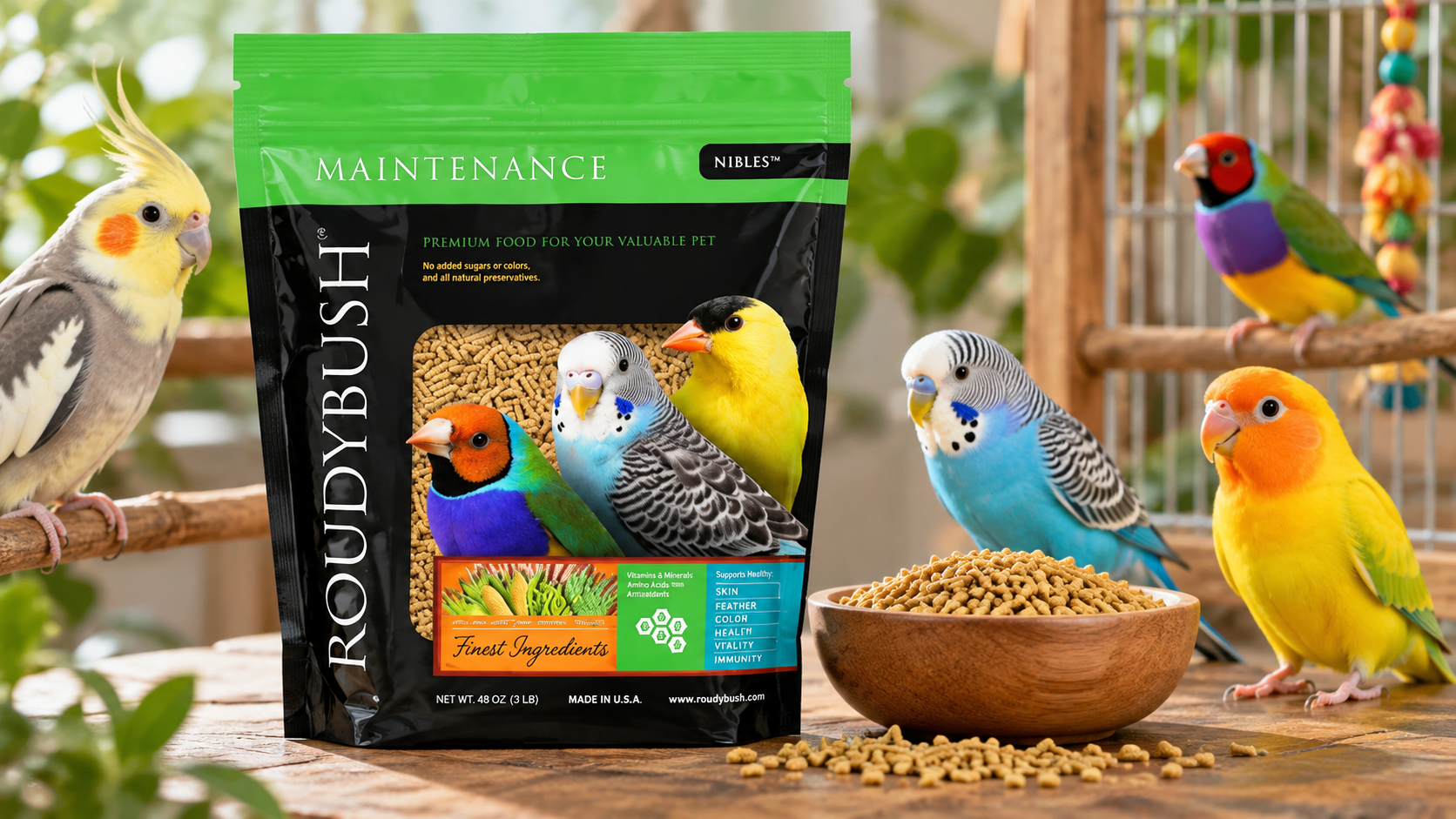
Choosing the right food for your pet bird can affect its daily nutrition, eating habits, and long-term health. Roudybush Daily Maintenance Nibles Bird Food is a formulated pellet diet designed for small birds and other pet birds that prefer tiny, easy-to-eat food pieces.
If you're thinking about switching from a seed-based diet or looking for a practical daily feeding option, understanding the ingredients, nutritional purpose, pellet size, and cost can help you make an informed purchase. This guide examines what Roudybush Nibles provides, its potential advantages, possible drawbacks, and the factors worth checking before buying.
What Is Roudybush Daily Maintenance Nibles Bird Food?
Roudybush Daily Maintenance Nibles Bird Food is a commercially formulated bird diet produced by Roudybush, a manufacturer specializing in avian nutrition. The Daily Maintenance range is intended for healthy, adult birds during normal maintenance periods.
Unlike traditional seed-based feeding, formulated pellets are designed to provide consistent nutrition in each portion. The Nibles variety features particularly small pieces, making it suitable for birds that have difficulty handling larger pellets.
Key Product Features
- Product name: Roudybush Daily Maintenance Nibles Bird Food
- Brand: Roudybush
- Product type: Formulated bird pellets
- Food form: Small, bite-sized pieces
- Intended use: Daily maintenance feeding for suitable adult birds
- Primary purpose: Provide consistent nutritional intake
- Suitable feeding approach: Can serve as the main formulated component of a balanced diet
- Storage: Keep sealed in a cool, dry location according to package instructions
The small pellet format may be especially helpful for owners feeding smaller bird species or birds accustomed to finely sized food.
What Are the Main Benefits of Roudybush Nibles Bird Food?
A properly formulated pellet diet can make everyday bird feeding easier while helping reduce some of the nutritional inconsistencies associated with selective seed eating.
1. Supports Consistent Daily Nutrition
A major advantage of Roudybush bird pellets is their formulated nutritional composition. Seed-heavy diets can allow birds to select preferred ingredients while leaving others behind.
This may result in an unbalanced intake, particularly when birds consistently choose high-fat seeds. Formulated pellets help address this issue because the intended nutrients are distributed throughout the food.
However, nutritional requirements differ by species, age, reproductive status, and health condition.
2. Small Pieces for Easier Feeding
The Nibles size is intended for birds that prefer smaller food particles. Some small birds may struggle with larger pellets or spend considerable time breaking them into manageable pieces.
Smaller food pieces can make feeding convenient, particularly for birds that naturally pick up tiny portions.
3. Helps Reduce Selective Feeding
With loose seed combinations, birds may repeatedly choose their favorite ingredients. This behavior can make it difficult to maintain consistent nutritional intake.
A uniform pellet diet reduces opportunities for selecting individual ingredients based on taste or appearance.
4. Practical for Everyday Feeding
The Daily Maintenance formula is intended for regular feeding rather than short-term nutritional support. Once your bird accepts the food, you can establish a consistent feeding routine while monitoring its appetite, weight, and general condition.
5. Can Simplify Food Preparation
Using formulated pellets as the main dietary component can simplify feeding compared with preparing an entirely homemade diet. However, species-appropriate vegetables and other foods may still have a place in your bird's feeding plan.
Which Birds Can Eat Roudybush Daily Maintenance Nibles?
The tiny pellet size makes this product worth evaluating for smaller companion birds. Depending on individual feeding habits and veterinary recommendations, potential candidates include:
- Budgerigars: Small birds that may benefit from appropriately sized pellets.
- Canaries: Birds that require careful attention to diet composition and food acceptance.
- Finches: Small species with specific feeding requirements.
- Lovebirds: Compact parrots that may accept small formulated pellets.
- Cockatiels: Birds that can consume small pellets, although some may prefer larger sizes.
- Small parakeets: Species that may benefit from manageable food portions.
Important: Pellet size alone does not establish dietary suitability. Some species have specialized nutritional needs, and a veterinarian experienced with birds should confirm that the formula is appropriate.
Roudybush Nibles Ingredients and Nutritional Considerations
When evaluating Roudybush Daily Maintenance ingredients, focus on the manufacturer's current ingredient list and guaranteed analysis. Roudybush Daily Maintenance formulas use grain-based ingredients alongside added nutrients intended to support routine maintenance feeding.
Nutritional Factors Worth Checking
- Protein: Supports normal tissue maintenance and essential body functions.
- Fat: Provides dietary energy and supports normal physiological processes.
- Fiber: Contributes to normal digestive function.
- Vitamins: Help maintain essential metabolic processes.
- Minerals: Support skeletal health, muscle function, and other biological activities.
- Calcium and phosphorus: Important minerals whose dietary balance matters for avian health.
Exact ingredient percentages and nutrient values should be verified on the current packaging or official product information, as formulas and labeling may change. Avoid assuming that every bird needs additional vitamin supplementation.
Excessive supplementation can create nutritional imbalances when a bird already consumes a complete formulated diet.
Roudybush Daily Maintenance Nibles vs. Traditional Seed Diets
Comparing pellet food for small birds with conventional seed combinations can help clarify which feeding approach fits your pet.
Roudybush Daily Maintenance Nibles
- Designed to deliver consistent formulated nutrition.
- Contains small, uniform food pieces.
- Helps limit selective feeding of individual ingredients.
- Intended for routine maintenance feeding.
- May require a gradual adjustment period for birds accustomed to seeds.
- Nutritional suitability depends on the species and individual bird.
Traditional Seed-Based Diets
- Often readily accepted by seed-eating birds.
- Can provide variety in texture and flavor.
- Allow birds to choose preferred seeds.
- May lead to inconsistent nutrient intake when used as the sole diet.
- Some seed combinations contain substantial amounts of fat.
- Require careful dietary planning to prevent nutritional deficiencies.
Which Feeding Option Is Better?
For many companion parrots, a veterinarian-approved formulated diet can provide a practical nutritional foundation. However, not every bird species should follow the same pellet-based feeding plan.
The appropriate choice depends on your bird's natural diet, nutritional requirements, medical history, and ability to accept new food.
How Much Does Roudybush Daily Maintenance Nibles Bird Food Cost?
The Roudybush Nibles price depends on the package size, retailer, location, and shipping charges. For initial budgeting, these are illustrative price ranges rather than verified current retail quotations.
Estimated Price Guide in USD
- Small package, approximately 10 oz: Around $5–$10
- Medium package, approximately 44 oz: Around $12–$22
- Larger package, approximately 10 lb: Around $35–$60
Actual package sizes, availability, and selling prices may differ. Check the exact product listing before purchasing.
What Affects the Total Cost?
Several factors can influence your final purchase price:
- Package weight and available sizes
- Retailer pricing and promotional discounts
- Shipping and delivery charges
- Local availability
- Imported-product costs
- Food expiration dates
If you own only one small bird, a smaller package may be practical because it reduces the chance of food sitting unused for an extended period. For households with several birds, larger packages may reduce the cost per ounce, provided the food can be stored and consumed within its recommended period.
How to Introduce Roudybush Nibles to Your Bird
Changing a bird's diet requires patience and careful observation. Some birds readily accept pellets, while others recognize only familiar seeds as food.
Practical Feeding Guidelines
- Consult an avian veterinarian. Confirm that the diet is appropriate for your bird before changing its primary food.
- Introduce pellets gradually. Begin by making the new food available alongside familiar foods according to your veterinarian's guidance.
- Monitor actual consumption. Check that your bird is eating the pellets rather than simply breaking or scattering them.
- Track body weight. Weigh your bird regularly using a suitable gram scale.
- Observe droppings and behavior. Changes in activity, appetite, or droppings may indicate a feeding problem.
- Maintain access to fresh water. Replace drinking water regularly and clean feeding containers.
- Avoid sudden food withdrawal. Never attempt to force pellet acceptance by withholding familiar food.
Some birds require several weeks or longer to accept a new diet. If your bird loses weight, stops eating, or appears weak during the conversion process, seek veterinary assistance promptly.
Is Roudybush Daily Maintenance Nibles Suitable for Every Bird?
Although this product is intended for maintenance feeding, it may not be appropriate for every bird or life stage.
Situations Requiring Additional Veterinary Guidance
- Growing chicks and young birds
- Breeding or egg-laying birds
- Birds recovering from illness
- Birds with diagnosed nutritional deficiencies
- Birds with kidney, liver, or metabolic conditions
- Species requiring specialized diets
Daily maintenance formulas are generally intended for stable adult birds rather than those with increased nutritional demands. Your veterinarian may recommend a different formula or feeding strategy for these circumstances.
What Are the Pros and Cons of Roudybush Daily Maintenance Nibles?
Before purchasing, compare the practical advantages with potential limitations.
Pros
- Small pellet pieces may suit smaller birds.
- Formulated nutrition supports consistent dietary intake.
- Uniform pieces help reduce selective feeding.
- Designed for regular adult maintenance feeding.
- Convenient to portion and store.
- Available in different package sizes through participating retailers.
- Can simplify routine feeding once accepted.
Cons
- Some birds may initially reject pellets.
- Not appropriate as the sole diet for every species.
- Diet conversion may require extended monitoring.
- Pellets can create crumbs and food waste.
- Larger packages may be impractical for a single small bird.
- Pricing and availability vary by retailer.
- Special nutritional needs may require a different formula.
What Should You Check Before Buying Roudybush Nibles?
When comparing daily maintenance bird food, focus on nutritional suitability and practical value rather than packaging alone.
1. Confirm Your Bird's Dietary Requirements
Different bird species have different nutritional needs. A pellet suitable for one companion bird may not be ideal for another.
2. Check the Pellet Size
Nibles are especially small. If your bird prefers handling larger pieces, another pellet size may be easier to feed.
3. Review the Ingredient Label
Check the current formulation, guaranteed analysis, and feeding instructions. Pay attention to any veterinary dietary restrictions that apply to your bird.
4. Compare Prices by Weight
The lowest package price does not always represent the best value. Calculate the cost per ounce to compare different package sizes fairly.
5. Review Storage and Expiration Information
Buy a quantity that your bird can reasonably consume while the food remains fresh. Follow the manufacturer's storage guidance and avoid exposing the food to moisture or excessive heat.
6. Evaluate Your Bird's Food Preferences
Birds accustomed to seeds may require additional time to accept pellets. A gradual conversion plan can help you avoid unnecessary feeding problems.
Should You Switch to Roudybush Daily Maintenance Nibles Bird Food?
Roudybush Daily Maintenance Nibles Bird Food is worth evaluating if you need a small-sized formulated pellet for a healthy adult bird. Its main advantages include consistent nutritional formulation, manageable food pieces, and convenient everyday feeding.
However, the right purchase depends on your bird's species, feeding preferences, current diet, and nutritional requirements. Before switching foods, review the current product label, compare package prices, and consult an avian veterinarian about an appropriate feeding plan.