How to Choose the Right Food for Your Pet: A Practical Nutrition Guide
This post may contain affiliate links. Please read ourdisclosure policy
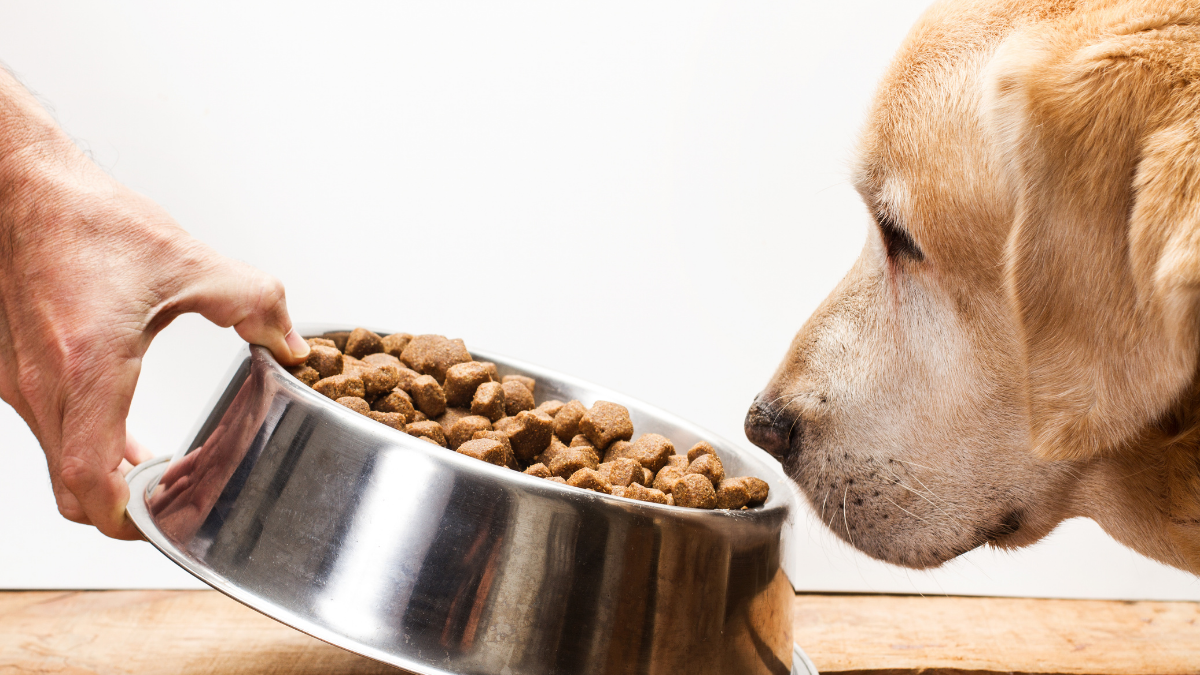
Choosing pet food can feel complicated when shelves are filled with different formulas, ingredients, and health claims. The right choice depends less on attractive packaging and more on your pet's species, age, activity level, body condition, and individual health needs. By focusing on complete nutrition and monitoring how your pet responds, you can make a more informed choice for their everyday diet.
Start With Your Pet's Species and Life Stage
Dogs and cats have different nutritional requirements, so you should always choose food formulated specifically for your pet's species. Cats are obligate carnivores and require nutrients such as taurine in adequate amounts. Dogs can digest a wider variety of ingredients but still need the correct balance of protein, fats, carbohydrates, vitamins, and minerals. Life stage matters too. Look for formulas appropriate for:
- Puppies or kittens
- Adults
- Seniors
- All life stages, when appropriate
Large-breed puppies may need specially formulated diets that support controlled growth and healthy skeletal development.
Look for Complete and Balanced Nutrition
One of the most useful pieces of information on a pet food label is its nutritional adequacy statement. In the U.S., look for food identified as "complete and balanced" for your pet's appropriate life stage. This indicates that the food is intended to provide the essential nutrients needed as a primary diet. Products intended only for intermittent or supplemental feeding generally shouldn't become your pet's main food unless your veterinarian recommends otherwise.
Read Ingredients in Context
Ingredients are listed by weight, but the first ingredient alone doesn't determine whether a food is nutritious. A balanced formula can contain meat, poultry, fish, grains, vegetables, fats, vitamins, and minerals. Instead of searching for one trendy ingredient, consider the complete nutritional profile, digestibility, formulation, and overall quality. Protein is especially important because it supplies amino acids needed for muscles, organs, skin, coat, and other tissues. Common sources include chicken, beef, turkey, fish, lamb, and eggs.
Dry vs. Wet Food: Which Should You Choose?Dry vs. Wet Food: Which Should You Choose?
Both can provide excellent nutrition when they're complete and balanced. Dry food is convenient, easy to portion, and useful with puzzle feeders. Wet food contains considerably more moisture and may help increase overall water intake while appealing to selective eaters. You can also combine the two. What matters most is controlling total calories and ensuring your pet receives appropriate nutrition.
Don't Choose Grain-Free Just Because It's Popular
A grain-free label doesn't automatically make a pet food healthier. Ingredients such as rice, oats, barley, and corn can provide nutrients and energy in properly formulated diets. Grain-free products may simply replace these ingredients with potatoes, peas, legumes, or other carbohydrate sources. Unless your pet has a specific reason to avoid certain ingredients, prioritize nutritional completeness over marketing labels.
Consider Weight and Activity Level
Feeding recommendations printed on packaging provide a starting point, not an exact prescription. An active dog may require considerably more energy than a similarly sized sedentary dog. Cats also have different calorie requirements depending on their age, lifestyle, activity, and other factors. Monitor your pet's weight and body condition regularly and adjust portions when necessary.
Keep Treats Under Control
Treats, chews, table scraps, and toppers all contribute calories. As a general guideline, treats should account for no more than about 10% of your pet's daily calories, leaving most nutrition to a complete and balanced diet. You should also keep potentially dangerous human foods inaccessible. Chocolate, grapes, raisins, onions, garlic, and products containing xylitol can pose serious risks to pets.
Watch for Possible Food Sensitivities
Persistent itching, vomiting, diarrhea, or skin problems deserve attention, but don't automatically assume food is responsible. Repeatedly changing diets or removing ingredients without guidance can make identifying the actual cause more difficult. Your veterinarian may recommend a controlled elimination diet or another diagnostic approach when a food allergy or intolerance is suspected.
Transition to New Food Gradually
Changing foods suddenly can cause digestive upset. Unless your veterinarian recommends another approach, gradually mix increasing amounts of the new food with decreasing amounts of the previous diet over several days. Watch your pet's appetite, stool, energy, and behavior during the transition.
Let Your Pet's Health Guide the Final Choice
There's no single "best" food for every dog or cat. A suitable diet should support a healthy body condition, normal stools, good energy, a healthy-looking coat, and consistent appetite. Your veterinarian can provide more personalized recommendations when your pet has medical conditions, unusual nutritional requirements, or persistent symptoms. Regular checkups also give you an opportunity to reassess diet as your pet ages. Ultimately, choosing pet food is about finding a nutritionally appropriate option that works for the animal in front of you—not following the latest ingredient trend.