10 Popular Pet Birds and What to Know Before Bringing One Home
This post may contain affiliate links. Please read ourdisclosure policy
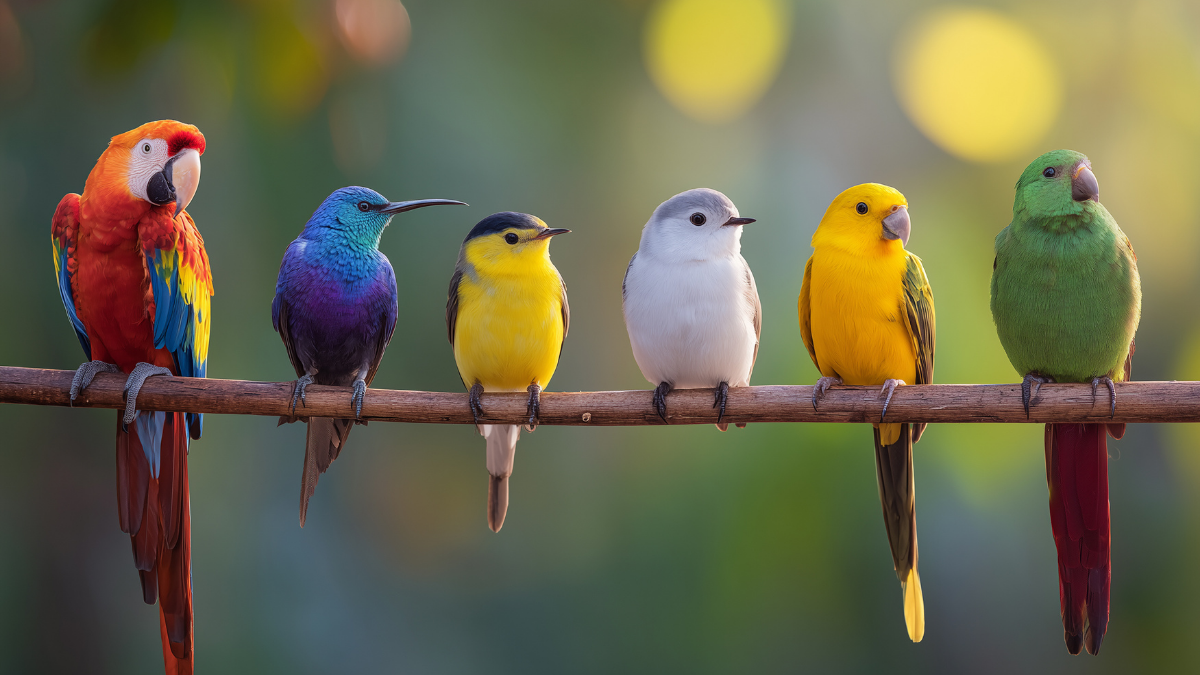
Pet birds can be entertaining and engaging companions, but they require proper housing, nutrition, enrichment, veterinary care, and regular attention. Here are 10 popular species to consider and what you should know about each.
1. Budgerigar
Budgies, also called parakeets, are small, social parrots known for their active personalities. Some learn whistles and words. They need daily enrichment, appropriate perches, toys, interaction, and enough enclosure space to move comfortably.
2. Cockatiel
Cockatiels are recognizable by their crests and orange cheek patches. Many enjoy interacting with people and communicating through whistles and other vocalizations. They require regular enrichment and social interaction. Keep in mind that cockatiels also produce feather dust.
3. Canary
Canaries are particularly popular for their singing. They're generally less focused on physical handling than many parrots, making them appealing if you prefer watching and listening to your bird. Provide adequate movement space, enrichment, and species-appropriate nutrition.
4. Zebra Finch
Zebra finches are tiny, active, and social birds. Rather than being handling-focused pets, they're often best enjoyed by observing their natural behaviors. Because they're active flyers, adequate horizontal flight space is important.
5. Lovebird
Lovebirds are colorful, energetic parrots with plenty of personality. They're intelligent, curious, and capable of forming strong social bonds. Don't let their small size fool you—they have relatively strong beaks and may display territorial behavior. Toys, enrichment, and appropriate interaction are essential.
6. Green-Cheeked Conure
Green-cheeked conures are playful and interactive parrots. They require regular attention and opportunities to chew, forage, and explore. Although sometimes considered quieter than other conures, they can still produce loud calls.
7. African Grey Parrot
African greys are highly intelligent and well known for their ability to imitate speech and environmental sounds. Their intelligence also means they need substantial mental stimulation, social interaction, training, and enrichment. Choosing one solely because you want a talking bird isn't recommended, as individual speech ability varies.
8. Cockatoo
Cockatoos are highly social parrots recognized by their expressive crests. They can form close relationships with caregivers but may also be extremely loud and demanding. Their powerful beaks, substantial enrichment needs, and potentially long lifespans make them a significant commitment.
9. Amazon Parrot
Amazon parrots are intelligent, vocal birds with bold personalities. They need plenty of stimulation and social interaction. Because they're larger and have powerful beaks, understanding their body language and providing appropriate handling are particularly important.
10. Dove
Doves provide a different companion-bird experience. They're known for gentle cooing and are generally quieter than large parrots. However, they still need appropriate housing, exercise space, nutrition, cleanliness, and environmental enrichment.
What to Consider Before Choosing a Bird
Bird care varies significantly between species. Before deciding, consider:
- Adult size and housing needs
- Noise level
- Nutrition
- Social and enrichment needs
- Daily cleaning
- Veterinary expenses
- Handling expectations
- Potential lifespan
Some companion birds can live for many years, while certain larger parrots may represent commitments spanning decades.
Final Thoughts
The best pet bird isn't necessarily the smallest, quietest, or most colorful. Choose a species whose personality and care requirements realistically match your lifestyle. Research housing, nutrition, behavior, enrichment, veterinary care, and lifespan before bringing any bird home. Careful preparation can help you create an environment where your new companion can thrive.