10 Popular Dog Breeds and What Makes Each One Unique
This post may contain affiliate links. Please read ourdisclosure policy
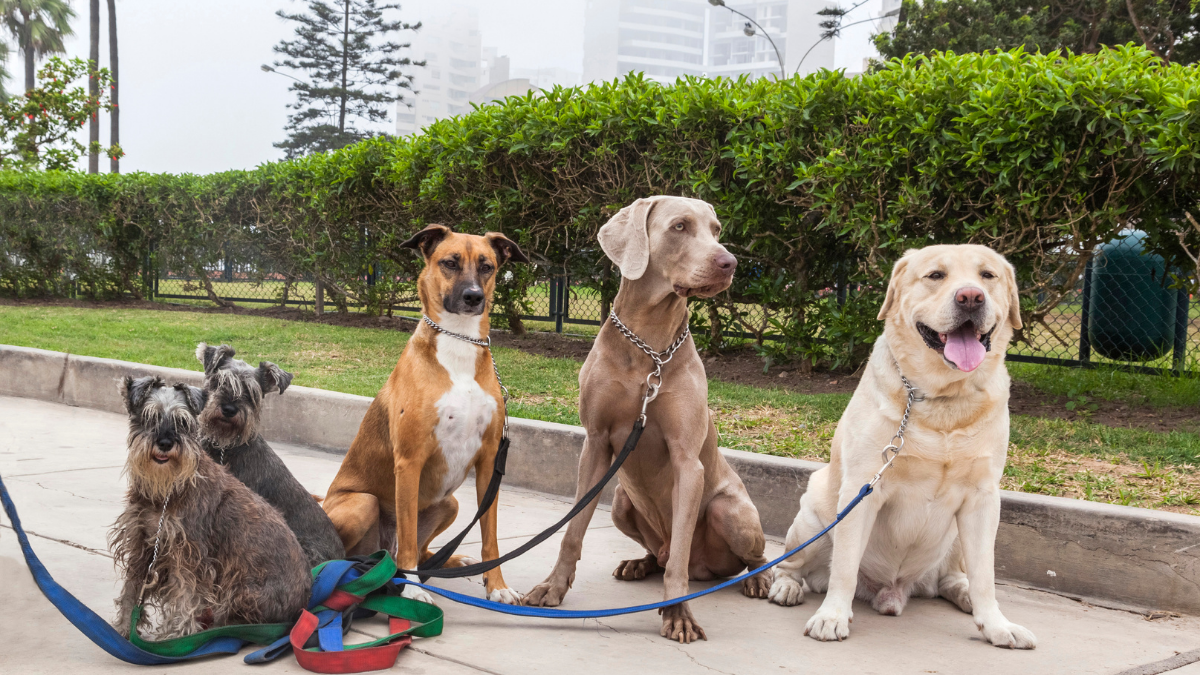
Choosing a dog involves more than appearance or popularity. Each breed has different exercise, grooming, training, and lifestyle needs. Understanding these differences can help you find a companion that fits naturally into your household.
1. French Bulldog
French Bulldogs are compact companion dogs recognized by their muscular build and upright "bat" ears. Their smaller size and relatively modest exercise needs can suit many households.
What Makes Them Unique
- Compact build
- Moderate exercise needs
- Short coat
- Companion-oriented nature
Because they are flat-faced, heat tolerance and breed-specific health considerations deserve extra attention.
2. Labrador Retriever
Labrador Retrievers are athletic dogs with a strong retrieving heritage. They generally enjoy exercise, interaction, swimming, retrieving games, and training.
What Makes Them Unique
- Athletic and energetic
- Strong retrieving instincts
- Short, dense coat
- Often highly trainable
Regular activity can help channel their considerable energy, particularly when they're young.
3. Golden Retriever
Golden Retrievers combine an athletic retrieving background with a distinctive golden coat. They typically benefit from regular exercise, mental stimulation, and interaction.
What Makes Them Unique
- People-oriented nature
- Retrieving heritage
- Responsive to training
- Distinctive double coat
Their longer coat also requires regular brushing and maintenance.
4. German Shepherd Dog
German Shepherds are intelligent, athletic working dogs with a history in herding, service work, search-and-rescue, and other specialized roles.
What Makes Them Unique
- Strong working heritage
- Highly trainable
- Needs mental stimulation
- Large, athletic build
Structured training and regular physical activity are particularly important for this breed.
5. Poodle
Poodles come in multiple recognized sizes and have an athletic history as water retrievers. They're known for intelligence and versatility in training.
What Makes Them Unique
- Multiple size varieties
- Curly coat
- Athletic and trainable
- Suitable for many activities
Their coat requires routine brushing and trimming and may need professional grooming.
6. Dachshund
Dachshunds are immediately recognizable for their long bodies and short legs. Originally developed for hunting, they're now widely kept as companions.
What Makes Them Unique
- Distinctive body shape
- Compact size
- Different coat varieties
- Curious, bold personality
Their unusual body structure makes maintaining an appropriate weight and understanding spinal-health considerations especially important.
7. Beagle
Beagles are scent hounds with powerful noses and a natural desire to investigate their surroundings.
What Makes Them Unique
- Strong scenting instincts
- Compact build
- Long, floppy ears
- Active and curious nature
Secure containment and thoughtful leash management are important because an interesting scent can quickly capture their attention.
8. Bulldog
Bulldogs have muscular bodies, short muzzles, and distinctive facial wrinkles. Their exercise requirements are generally more moderate than those of highly athletic working breeds.
What Makes Them Unique
- Muscular build
- Recognizable wrinkles
- Short coat
- Moderate activity needs
Their flat-faced structure can also affect heat tolerance, making appropriate activity particularly important during warm weather.
9. Rottweiler
Rottweilers are powerful working dogs with a history of guarding and livestock work. Their strength makes training and socialization especially important.
What Makes Them Unique
- Powerful build
- Intelligent and trainable
- Working heritage
- Potential guarding tendencies
Individual temperament varies, so breed alone shouldn't be used to predict a particular dog's behavior.
10. German Shorthaired Pointer
German Shorthaired Pointers are highly athletic sporting dogs developed for demanding hunting work.
What Makes Them Unique
- Excellent endurance
- High energy level
- Sporting heritage
- Strong need for activity
They can be especially suitable for active households that enjoy hiking, running, outdoor adventures, or dog sports.
Choosing a Breed That Fits Your Lifestyle
Popularity doesn't necessarily make a breed suitable for your household. Consider your available space, activity level, training time, grooming commitment, work schedule, and financial responsibilities before choosing. Breed can provide useful clues about size, coat, activity requirements, and historical purpose, but individual dogs can still differ considerably in personality and behavior. Mixed-breed dogs are also worth considering. Shelters and rescues offer dogs with many different sizes, ages, personalities, and activity levels.
Final Thoughts
The best dog for you isn't necessarily the most popular one. Look beyond appearance and consider exercise needs, grooming, training, size, health considerations, and temperament. Choosing a dog whose needs realistically match your lifestyle can help you build a happier and more manageable life together.