How to Create the Perfect Daily Routine for Your Pet
This post may contain affiliate links. Please read ourdisclosure policy
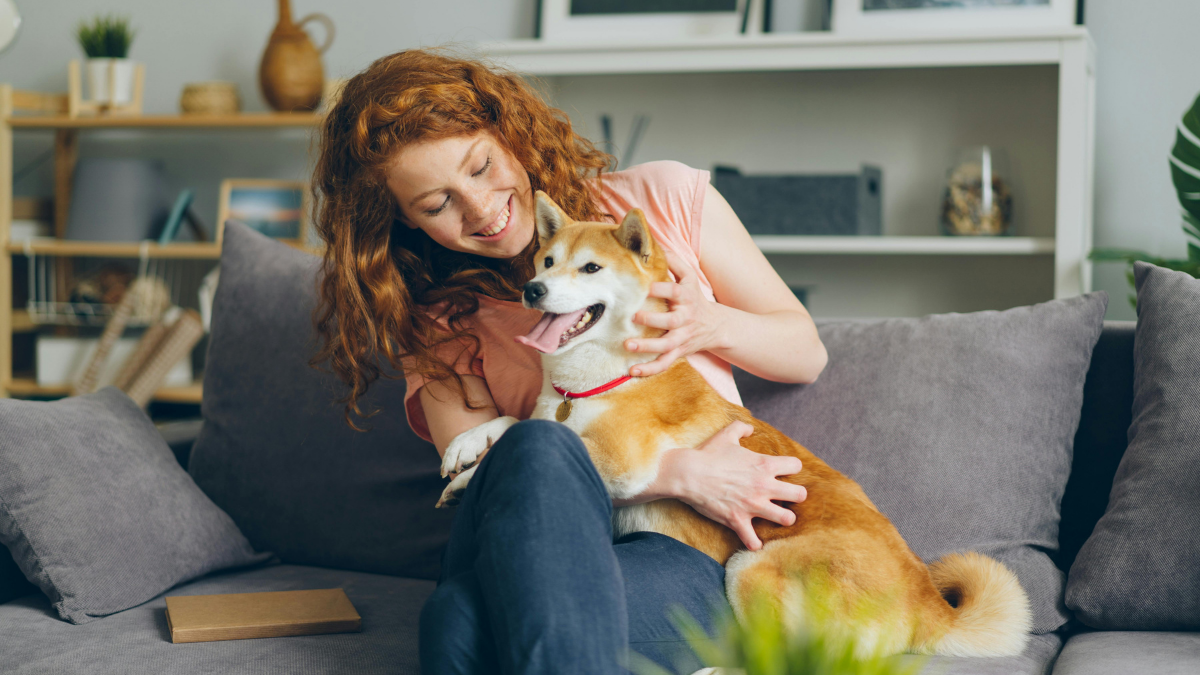
Pets may not follow a calendar, but they often benefit from knowing what comes next. A consistent daily routine can make feeding, exercise, bathroom breaks, play, and rest easier to manage while helping owners notice changes in behavior or health. There is no single schedule that works for every dog or cat. Age, activity level, health, personality, and household lifestyle all matter. The goal is to create enough structure to meet your pet’s needs without making every day rigid.
Start With Consistent Feeding Times
Regular meals create a natural framework for the rest of the day. Choose a complete and balanced food appropriate for your pet’s species and life stage unless your veterinarian recommends otherwise. Measure portions instead of continuously topping up the bowl, and remember that treats and toppers contribute to daily calories. Fresh, clean water should always be available. Puppies, kittens, seniors, and pets with medical conditions may need different meal frequencies or specialized feeding schedules.
Build Bathroom Needs Into the Schedule
Dogs need predictable opportunities to relieve themselves. A typical adult dog may go outside after waking, around meals, during the day, and before bedtime. Puppies generally require more frequent trips because they are still developing bladder control and learning appropriate bathroom habits. Cats require a different routine. Scoop litter boxes regularly and keep them clean and easily accessible. Regular cleaning also makes it easier to spot changes in urine or stool. Significant or persistent changes should be discussed with your veterinarian.
Make Daily Exercise a Priority
Exercise supports healthy weight, mobility, and overall well-being. Dogs can enjoy walks, fetch, swimming, hiking, tug games, training activities, or supervised outdoor play. Exercise requirements differ significantly between breeds and individuals, so intensity should match your dog’s age, fitness, and health. Cats also need opportunities to move. Wand toys, balls, climbing structures, and games that encourage stalking and pouncing can help indoor cats stay active. Rather than chasing a universal number of exercise minutes, watch how your pet responds and adjust accordingly.
Add Mental Enrichment
A good pet routine exercises the brain as well as the body. Puzzle feeders, snuffle mats, treat-dispensing toys, scent games, and short training sessions can introduce variety into an ordinary day. Allowing dogs time to safely sniff and explore during walks also provides valuable stimulation. For cats, food puzzles and interactive games that imitate hunting behaviors can make an indoor environment more engaging. Rotate activities periodically to keep them interesting.
Keep Training Short and Positive
Training doesn't need to become a separate hour-long activity. Short sessions can be incorporated throughout the day. Dogs can practice sitting before meals, waiting calmly at doors, walking politely on a leash, or coming when called during appropriate situations. Reward-based methods can make learning part of everyday interaction. Cats can learn too. With patience and suitable rewards, many can learn to enter carriers voluntarily, come when called, touch targets, or perform simple tricks.
Include Quality Time and Grooming
Daily care isn't only about meals and exercise. Spend time interacting in ways your pet enjoys. That could mean playing, grooming, training, walking, or simply relaxing together. Some pets enjoy frequent physical affection, while others prefer more personal space. Grooming requirements also vary. Depending on your pet, routine care may include brushing, nail trimming, dental care, ear checks, bathing, and inspecting the coat and skin. Regular handling gives you an opportunity to notice unusual lumps, irritated skin, parasites, or other physical changes.
Don't Forget Rest
More activity isn't always better. Pets need sufficient uninterrupted sleep and downtime. Puppies and kittens can sleep for large portions of the day, while senior animals may also need additional rest. Provide a quiet, comfortable sleeping area where your pet can retreat without constant interruption. This is particularly useful in busy households with children, visitors, or multiple animals.
Create a Calmer Evening Pattern
Evenings can provide a predictable transition from activity to rest. For a dog, this might include dinner, a walk, relaxed family time, and a final bathroom break. A cat might enjoy interactive play followed by dinner, grooming, and quiet time. The exact clock time isn't as important as consistently meeting your pet’s needs.
Adjust the Routine as Your Pet Changes
The ideal routine isn't permanent. Puppies and kittens require frequent feeding, training, socialization, and bathroom care. Healthy adults often settle into more predictable schedules, while senior pets may benefit from shorter exercise sessions, additional rest, diet adjustments, or more frequent bathroom opportunities. Regular veterinary examinations can help you recognize when those needs change. Ultimately, the perfect daily routine for your pet is one that remains consistent enough to provide structure while flexible enough to adapt to real life. Focus on the essentials: balanced nutrition, fresh water, bathroom opportunities, appropriate exercise, mental stimulation, positive interaction, grooming, and adequate rest. When those needs are reliably met, you have the foundation for a routine that can support your pet throughout every stage of life.