Why the Joyce Chen 2-Tier Bamboo Steamer Baskets Are Still a Kitchen Favorite
This post may contain affiliate links. Please read ourdisclosure policy
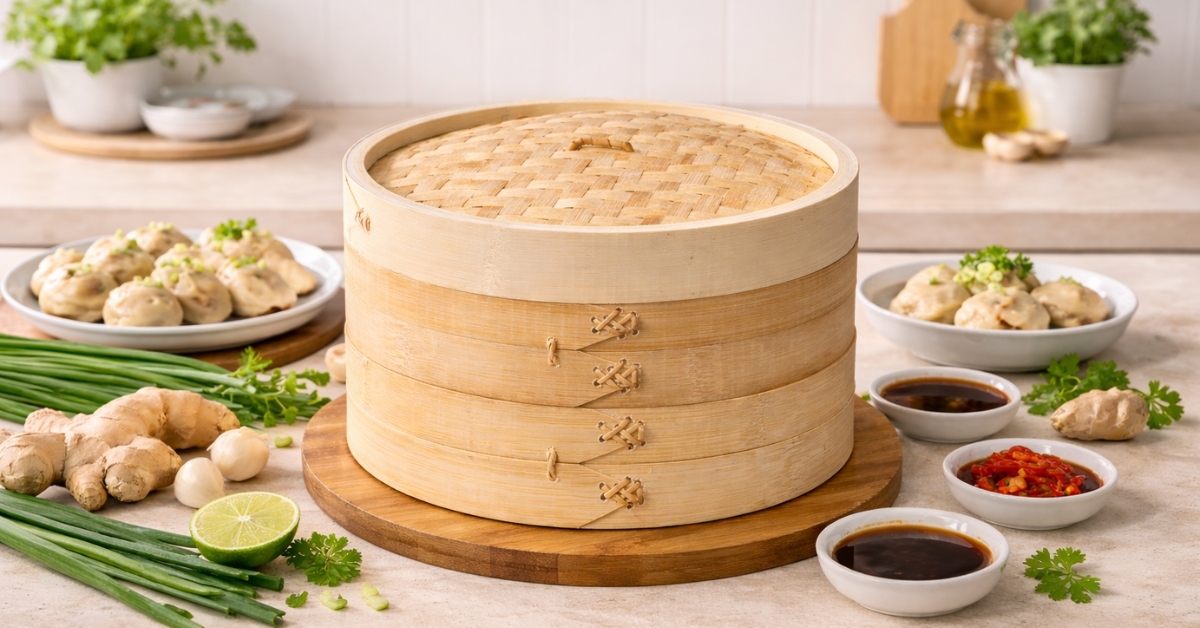
Steam cooking has survived thousands of years for a reason. Long before modern appliances, bamboo steamers handled everything from dumplings to vegetables with simple efficiency.
The Joyce Chen 2-Tier Bamboo Steamer Baskets continue that tradition in a form that works easily in a modern kitchen. These baskets rely on natural bamboo, stacked tiers, and steady steam circulation to cook food gently and evenly.
After hands-on use across multiple meals, the design proves practical rather than decorative. The steamer handles dumplings, fish, and vegetables without turning food soggy or stripping flavor.
Bamboo absorbs excess moisture, which helps textures stay intact. According to the USDA, steaming helps retain more water-soluble vitamins compared to boiling, especially vitamin C and B vitamins, making it a solid option for everyday meals. This guide breaks down what to expect, how it performs, and where it fits best in real cooking routines. Here’s
Joyce Chen 2-Tier Bamboo Steamer Baskets: Design and Build Quality
The Joyce Chen 2-Tier Bamboo Steamer Baskets use tightly woven natural bamboo with no chemical coatings. The two-tier structure allows multiple foods to cook at the same time, which saves space on the stovetop. Steam flows evenly through both layers due to the slatted base and breathable bamboo walls.
The lid fits snugly without sealing too tightly, allowing excess moisture to escape. This balance keeps food tender without water dripping back down. The baskets feel lightweight in hand, yet stable when stacked. After repeated use, the bamboo develops a darker tone, which signals seasoning rather than wear.
Real Cooking Experience With Bamboo Steamer Baskets
After testing these baskets over several weeks, the performance stays consistent. Dumplings cook evenly across both tiers. Vegetables keep their color and firmness instead of turning limp. Fish fillets come out moist without a strong bamboo odor transferring to the food.
This matches findings from Harvard Health Publishing, which notes that steaming avoids nutrient loss linked to high-heat frying and oil-based cooking. The results align with daily home cooking needs rather than restaurant-only use.
From a practical view, bamboo steamer baskets work best when lined with parchment paper or cabbage leaves. This prevents sticking and keeps cleanup simple.
Sizes Available and Amazon US Pricing
Joyce Chen offers two standard sizes on Amazon US:
10-Inch Bamboo Steamer
- Best for small households
- Fits most standard woks and medium pots
- Typical Amazon price: $19.95–$29.95
- Handles meals for two to three people
12-Inch Bamboo Steamer
- Better for families or group meals
- Requires a wider pot or wok
- Typical Amazon price: $29.95–$49.99
- Suitable for four to six servings of dumplings or vegetables
Prices fluctuate slightly based on seller and seasonal demand, though they stay within this range most of the year.
How This Asian Bamboo Steamer Performs Across Foods
An Asian bamboo steamer excels with foods that need gentle heat. Steam rises evenly and surrounds food without drying it out. During testing, foods cooked on the lower tier finished slightly faster, which helps with timing meals efficiently. Best-performing foods include:
- Dumplings and bao
- Leafy greens and root vegetables
- White fish and shellfish
- Reheating rice and noodles without toughness
The bamboo structure absorbs condensation, a benefit metal steamers lack. This keeps textures closer to restaurant-style results.
Maintenance and Longevity of Natural Bamboo Steamer Baskets
A natural bamboo steamer basket requires basic care rather than special treatment. Hand washing with warm water works best. Extended soaking should be avoided, as it may weaken the bamboo fibers. Drying completely after each use prevents odor buildup.
Light oiling with food-safe mineral oil every few months helps prevent cracking. With proper care, many home cooks report multiple years of steady use before replacement becomes necessary.
Joyce Chen Brand History and Credibility
Joyce Chen introduced traditional Chinese cookware to American kitchens in the 1950s. Her influence helped normalize tools like bamboo steamers long before Asian cuisine became mainstream. Culinary historians frequently reference her role in bridging Eastern cooking techniques with Western home kitchens.
This background adds credibility to the product line. The design choices reflect function over trends, which explains why the steamer baskets have changed very little over decades.
Pros and Limitations to Consider
Benefits
- Supports healthier cooking methods
- No electricity required
- Lightweight and easy to store
- Allows multi-dish cooking with two tiers
- Affordable compared to electric steamers
Limitations
- Requires hand washing
- Needs proper drying to avoid odors
- Shorter lifespan than stainless steel options
- Requires a compatible pot or wok
Multiple perspectives matter here. Some cooks prefer metal steamers for durability, while others favor bamboo for texture control and traditional results.
How This Steamer Fits Modern Cooking
A 2-tier food steamer like this works well for weeknight meals and weekend projects. It fits into minimalist kitchens and pairs well with gas, electric, or induction stoves when used with a proper pot. The lack of electronics makes it dependable during heavy use.
For cooks exploring traditional Chinese cooking tools, this steamer provides hands-on experience without a steep learning curve.
Final Thoughts
This Joyce Chen steamer review reflects a tool that does one job well. It cooks evenly, handles multiple foods at once, and supports healthier eating habits. The price stays accessible, and the design has already proven itself over generations.
Browsing Amazon reveals many cookware options beyond steamers, from woks to utensils that complement this setup. Exploring those options can help build a complete cooking system that works together naturally.