How High-Performance Car Culture Evolved from Grassroots Builds to a Global Community of Innovation and Identity
This post may contain affiliate links. Please read ourdisclosure policy
Performance car culture didn’t start in factories. It began with individuals modifying their own vehicles to go faster. Early enthusiasts worked with limited tools and resources. They relied on experimentation, sharing ideas, and learning through trial and error. This grassroots mindset still defines the culture today.
The Hot Rod Era That Shaped Everything
The mid-20th century introduced a turning point. Hot rod builders pushed boundaries by modifying engines, reducing weight, and redesigning cars. This era established a key idea: a car reflects the builder’s skill and vision. Car clubs formed around this movement. These groups created a sense of community and encouraged innovation through collaboration.
How Motorsports Drives Innovation
Racing has always influenced performance upgrades. Competitive environments force teams to improve constantly.
- Aerodynamics improved through track testing
- Suspension systems evolved for better handling
- Braking systems became more efficient under pressure
These advancements don’t stay on the track. They eventually become available to everyday drivers through aftermarket parts.
Different Types of Performance Communities
Performance culture isn’t one-size-fits-all. It includes several distinct groups, each with its own priorities.
- Street enthusiasts focus on daily drivability and style
- Track-day drivers aim for lap time improvements
- Drag racers prioritize acceleration and power delivery
- Off-road builders design for durability and terrain
Each group approaches performance differently, but they share the same passion for improvement.
What Defines the Culture
At its core, performance culture is driven by a few key values.
- Speed and power remain central goals
- Handling and precision matter just as much
- Customization reflects personal identity
- Continuous improvement is always the goal
Builders rarely consider a project finished. There is always something to refine or upgrade.
Events That Bring Enthusiasts Together
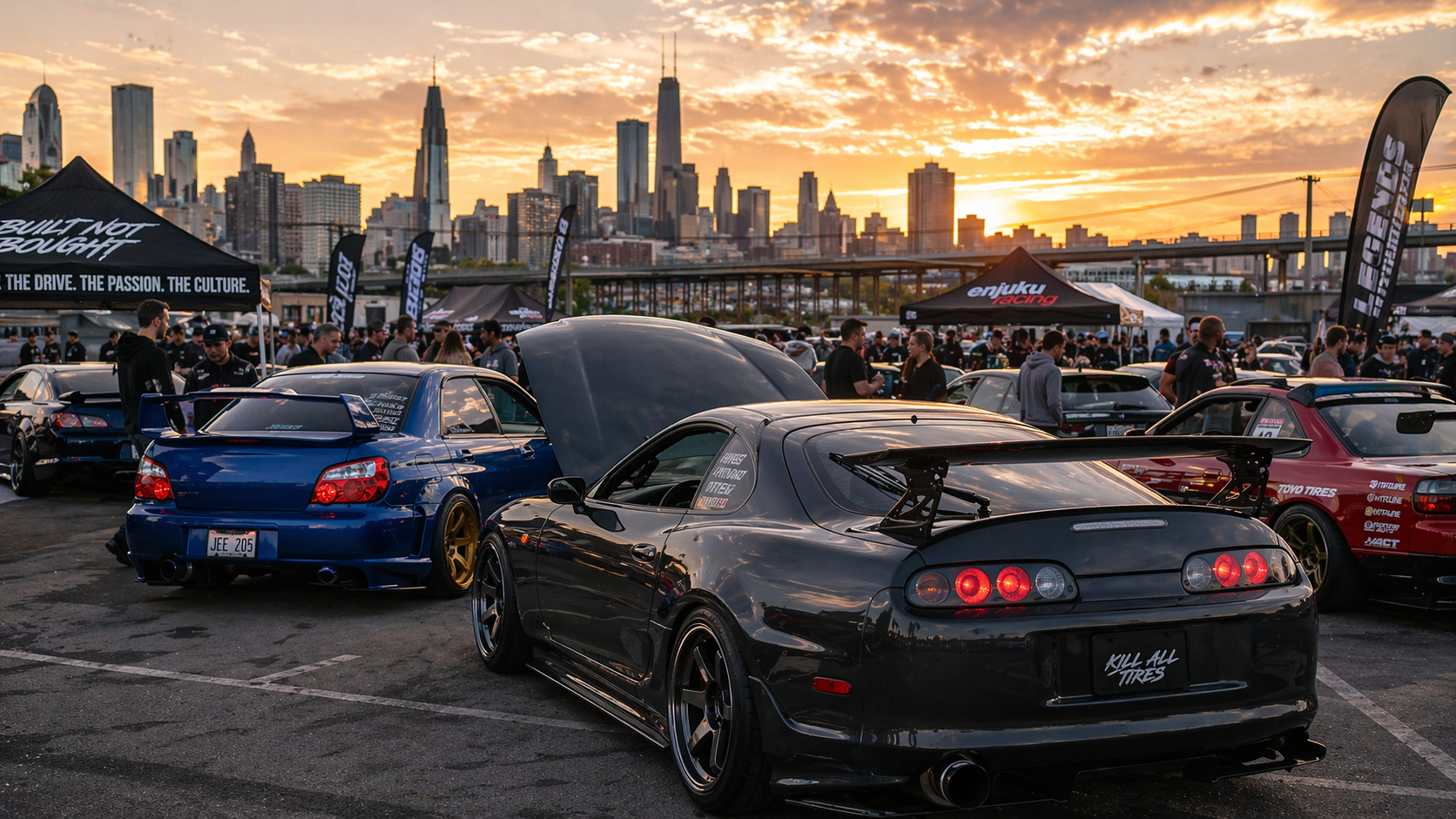
The culture thrives on shared experiences. Events create spaces where people connect and showcase their builds. Car meets and shows highlight creativity and craftsmanship. Track days allow safe performance testing in controlled environments. Online communities expand this interaction globally. Enthusiasts exchange knowledge, share builds, and learn from each other regardless of location.
The Role of Aftermarket Parts
Performance upgrades are at the center of the culture. Access to parts determines how easily people can participate. Retailers like Summit Racing make it easier to find components for all skill levels. Beginners can start with basic upgrades, while advanced builders can source specialized parts. This accessibility keeps the culture growing and evolving.
Technology’s Growing Influence
Modern performance builds rely on more than mechanical upgrades. Digital tools now play a major role.
- ECU tuning software allows precise adjustments
- Data logging provides real-time performance insights
- Simulation tools help test setups before real-world use
These technologies make performance tuning more accurate and accessible.
Performance as Lifestyle and Identity
For many enthusiasts, performance cars are more than machines. They represent time, effort, and personal expression. A build reflects priorities—whether that’s speed, design, or balance. This connection creates strong bonds within the community. People recognize shared values through the way cars are built and modified.
Challenges That Come with the Culture
Performance upgrades also come with responsibilities.
- Legal regulations vary depending on location
- Costs can add up quickly with quality parts
- Safety must always be prioritized
Responsible enthusiasts understand where to push limits and where to hold back.
Where Performance Culture Is Headed
The future of performance is shifting toward new technologies. Electric vehicles are introducing different performance dynamics. Instant torque and battery systems require new approaches to tuning. At the same time, software and AI are becoming more important.
- Predictive diagnostics will reduce failures
- AI-assisted tuning will optimize performance faster
- Global communities will continue to expand knowledge sharing
These changes will reshape how enthusiasts build and improve vehicles.
Why Performance Culture Continues to Grow
Performance culture continues to evolve because it combines creativity, engineering, and community. It allows individuals to take control of how their vehicles perform and feel. More importantly, it connects people who share the same mindset—always improving, always learning.