Hamsters, Guinea Pigs, Rabbits, and Gerbils: What Makes Each Small Pet Different?
This post may contain affiliate links. Please read ourdisclosure policy
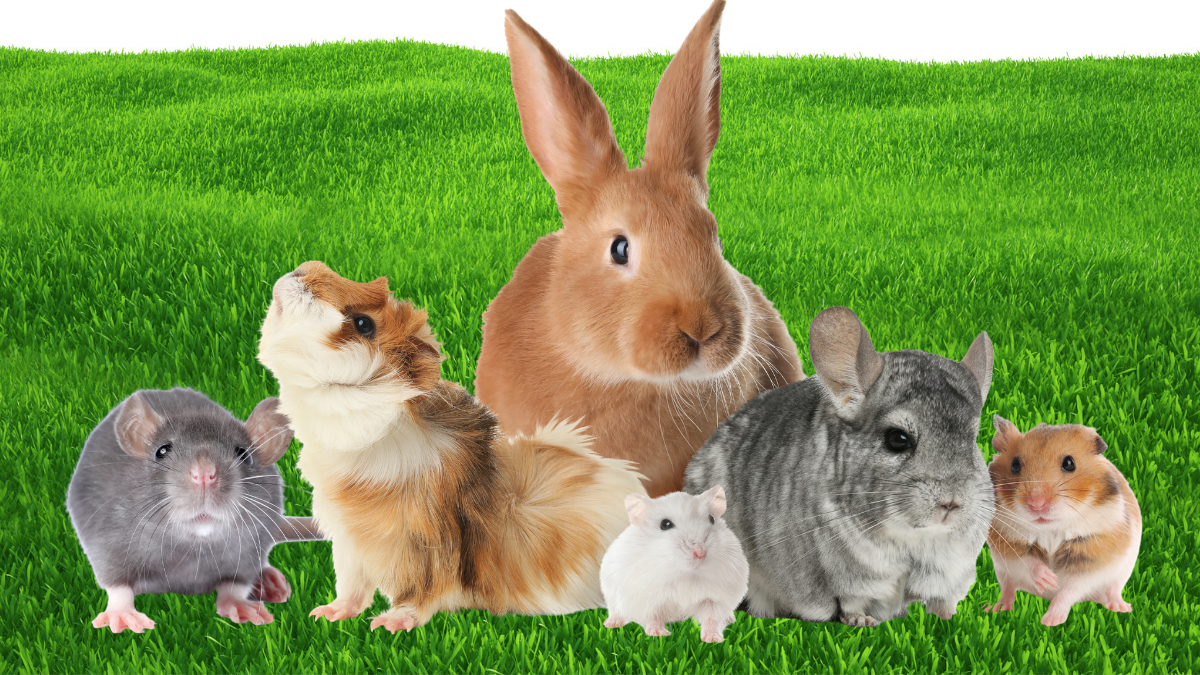
Small pets are sometimes grouped together as though they have similar needs, but hamsters, guinea pigs, rabbits, and gerbils are very different animals. Their diets, social behaviors, activity patterns, housing requirements, and preferred interactions can vary considerably. Understanding these differences can help you decide which animal may fit your lifestyle while preparing an environment that supports its natural behavior.
Hamsters: Small, Active, and Often Solitary
Hamsters are popular companion animals known for burrowing, exploring, and becoming particularly active during the evening and nighttime hours. They need more than a small cage and exercise wheel. A suitable environment should provide ample floor space, deep bedding for burrowing, hiding areas, enrichment, and an appropriately sized wheel. Syrian hamsters are territorial and should generally live individually, while the requirements of other hamster species should be researched separately.
Guinea Pigs: Social and Vocal Companions
Unlike Syrian hamsters, guinea pigs are highly social animals and generally benefit from appropriate companionship with compatible guinea pigs. They're also famously expressive. You may hear squeaks, whistles, purr-like noises, and other vocalizations. Some guinea pigs quickly learn household routines and become especially vocal when familiar sounds signal that food may be coming. Their diet also deserves special attention. Guinea pigs are herbivores and require an appropriate source of vitamin C because they cannot synthesize enough themselves. Hay is another important component of their nutrition.
Rabbits: Bigger Commitment Than Their Size Suggests
Rabbits require considerably more room than a traditional small cage provides. They need space to exercise, stretch, stand upright, explore, and perform natural behaviors. Many rabbits are intelligent and social. They may learn routines, use litter boxes, interact with toys, and form relationships with people and compatible rabbits. Their potentially long lifespan and substantial space requirements make rabbit ownership a significant commitment. Rabbits also rely heavily on appropriate grass hay as part of a diet supporting digestive and dental health.
Gerbils: Natural Diggers and Tunnel Builders
If you enjoy watching animals create and modify their environment, gerbils can be fascinating. Given enough suitable substrate, they may construct elaborate tunnel systems. Gerbils are social animals commonly kept in compatible same-sex pairs or established groups, depending on individual circumstances and appropriate guidance. Introducing unfamiliar gerbils requires care because conflict can occur. Their habitat should prioritize deep substrate, secure construction, safe chewing opportunities, and enrichment.
Their Activity Schedules Are Different
Your pet's natural schedule can determine how often you actually see it active.
- Hamsters: Often active during the evening and night.
- Guinea pigs: Usually alternate between activity and rest throughout the day.
- Rabbits: Often particularly active around dawn and dusk.
- Gerbils: May have several active periods throughout the day and night.
Rather than regularly waking a sleeping animal for interaction, choose a species whose natural activity pattern works reasonably well with your household routine.
Housing Should Support Natural Behavior
Small size doesn't mean small housing requirements. Hamsters need floor space and deep bedding for burrowing. Guinea pigs require generous horizontal space. Rabbits need substantial room for genuine exercise, while gerbils benefit from deep substrate that allows extensive digging and tunnel building. A good enclosure should support natural behavior rather than simply keep an animal contained.
Not Every Small Pet Likes Being Held
Handling preferences vary between species and individuals. Hamsters may become comfortable with gentle interaction, while guinea pigs can learn to tolerate being held. Many rabbits prefer interacting while their feet remain on a stable surface. Gerbils are quick and agile and should never be lifted by the end of their tail. Whichever pet you choose, allow its individual temperament to guide how you interact with it.
Enrichment Is Essential
All four animals need opportunities to express natural behaviors. Hamsters benefit from burrowing, running, exploring, and foraging. Guinea pigs can enjoy tunnels, shelters, and foraging opportunities. Rabbits naturally explore, chew, dig, and search for food, while gerbils are enthusiastic diggers and chewers. Rotating suitable enrichment occasionally can introduce variety without constantly changing the entire habitat.
Small Pets Still Need Veterinary Care
Hamsters, guinea pigs, rabbits, and gerbils can develop illnesses, injuries, and dental problems requiring professional care. Because not every veterinarian routinely treats every small-mammal species, finding an appropriate veterinary practice before an emergency occurs is important.
Finding the Small Pet That Fits Your Life
A hamster may suit you if you enjoy relatively independent pets and don't mind nighttime activity. Guinea pigs may appeal if you want vocal, social animals and can provide appropriate companionship. Rabbits can be rewarding if you're prepared for substantial space, specialized care, and a longer commitment. Gerbils may be particularly interesting if you enjoy observing digging, tunneling, and active social behavior. Ultimately, don't choose based on size or appearance alone. Consider your available space, daily schedule, budget, veterinary access, and ability to meet the animal's social and behavioral needs. These animals may be small, but each requires thoughtful, species-specific care.