Freshwater vs. Saltwater Aquariums: Which Is Better for Beginners?
This post may contain affiliate links. Please read ourdisclosure policy
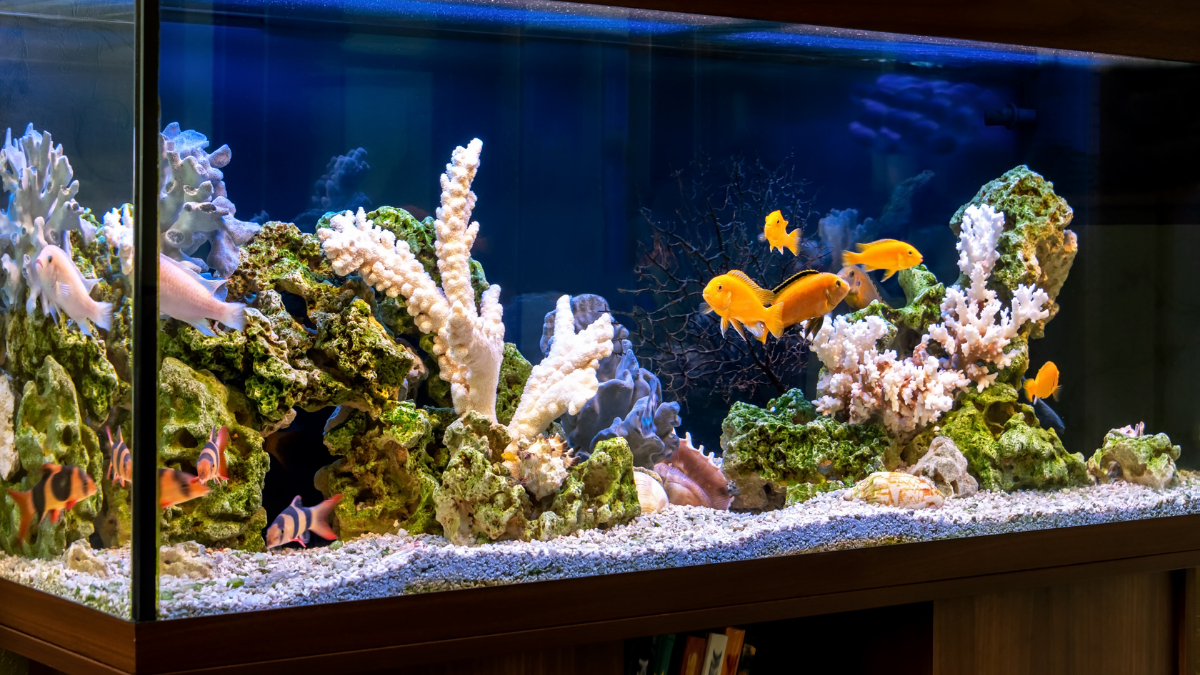
Choosing your first aquarium is exciting, but deciding between freshwater and saltwater can feel overwhelming. Both can create beautiful environments filled with fascinating aquatic life, but they differ in cost, equipment, maintenance, and overall learning curve. For most beginners, freshwater provides a simpler starting point. Saltwater can still be a rewarding first choice if marine life is what genuinely interests you.
Why Freshwater Is Often Easier
Freshwater aquariums generally require fewer specialized components. Depending on the fish you plan to keep, a basic setup may include:
- Aquarium and appropriate stand
- Filter
- Heater and thermometer
- Lighting
- Substrate
- Water conditioner
- Water-testing supplies
You'll still need to understand water quality, filtration, feeding, and appropriate stocking. However, you won't have the additional responsibility of preparing saltwater and maintaining salinity. Freshwater also gives you plenty of choices, including tetras, guppies, bettas, rasboras, danios, catfish, and live plants.
What Makes Saltwater More Involved?
Saltwater aquariums recreate marine conditions and can house species such as clownfish, gobies, and blennies. In addition to monitoring basic water quality, you'll need to prepare marine saltwater and maintain appropriate salinity. Depending on your setup, you may also need specialized circulation, lighting, filtration, and testing equipment. A fish-only saltwater aquarium can be considerably simpler than a reef system containing corals, so not every marine aquarium has the same level of complexity.
Both Aquariums Need Cycling
Whether you choose freshwater or saltwater, cycling your aquarium is essential. Fish waste and decomposing organic material contribute ammonia to the water. Beneficial microorganisms help convert ammonia into nitrite and eventually nitrate. Establishing this biological filtration is commonly known as cycling. Understanding this process before adding livestock is one of the most important steps you can take as a new aquarist.
Which Costs More?
Freshwater is generally the more budget-friendly starting point. Basic equipment is widely available, and many commonly kept freshwater fish are relatively affordable. Saltwater setups may involve additional expenses for:
- Marine salt mix
- Salinity-measuring equipment
- Specialized circulation equipment
- Additional water-testing supplies
- Marine livestock
- Specialized lighting for some setups
Reef aquariums can increase costs further because corals may require more specialized lighting, water movement, testing, and supplementation.
Maintenance Is Important Either Way
Neither aquarium type is maintenance-free. Whichever one you choose, you'll need to establish a consistent care routine. Typical responsibilities include testing water, performing appropriate partial water changes, maintaining filtration equipment, feeding correctly, and monitoring livestock. Saltwater adds salinity management to the routine, while reef aquariums may require monitoring additional water chemistry parameters.
Aquarium Size Matters
A tiny aquarium isn't necessarily easier for a beginner. Because there is less water, changes in temperature and water quality can occur more quickly. Instead of choosing a tank based solely on available space or price, research the fish you want first. Consider their:
- Adult size
- Social behavior
- Temperament
- Diet
- Water requirements
- Compatibility with other species
Then select an aquarium that can appropriately accommodate them.
Freshwater Doesn't Mean Boring
Freshwater aquariums can be incredibly colorful and visually interesting. You can combine compatible schooling fish, bottom-dwelling species, plants, rocks, wood, and other suitable décor to create a distinctive environment. Live plants provide even more possibilities. Freshwater planted aquariums range from relatively simple setups to sophisticated aquascapes, giving you plenty of room to expand your skills over time.
Is Saltwater Worth the Extra Work?
If marine animals are what inspired you to start an aquarium, the additional effort may be worthwhile. You don't necessarily need to begin with an elaborate reef aquarium. A carefully planned fish-only marine system can provide a more approachable introduction to saltwater fishkeeping before you consider more advanced setups. The important thing is to avoid choosing fish based solely on appearance. Research each species carefully before bringing it home.
Which Is Better for a Beginner?
For most first-time aquarists, freshwater is the easier starting point. It generally costs less, requires fewer specialized procedures, and allows you to concentrate on fundamental skills such as cycling, water testing, filtration, feeding, stocking, and routine maintenance. However, saltwater isn't automatically off-limits to beginners. If you're specifically interested in clownfish and other marine species, careful research and appropriate equipment can make a marine aquarium a realistic first setup.
Final Thoughts
Freshwater and saltwater aquariums can both become rewarding hobbies. Freshwater generally provides the gentler learning curve, while saltwater gives you access to marine species and, eventually, the possibility of creating a reef environment. Choose based on more than appearance. Consider your budget, available time, preferred fish, maintenance expectations, and willingness to learn. The best beginner aquarium is ultimately the one you can confidently and consistently care for over the long term