12 Essential Supplies to Have Before Bringing Home a New Puppy
This post may contain affiliate links. Please read ourdisclosure policy
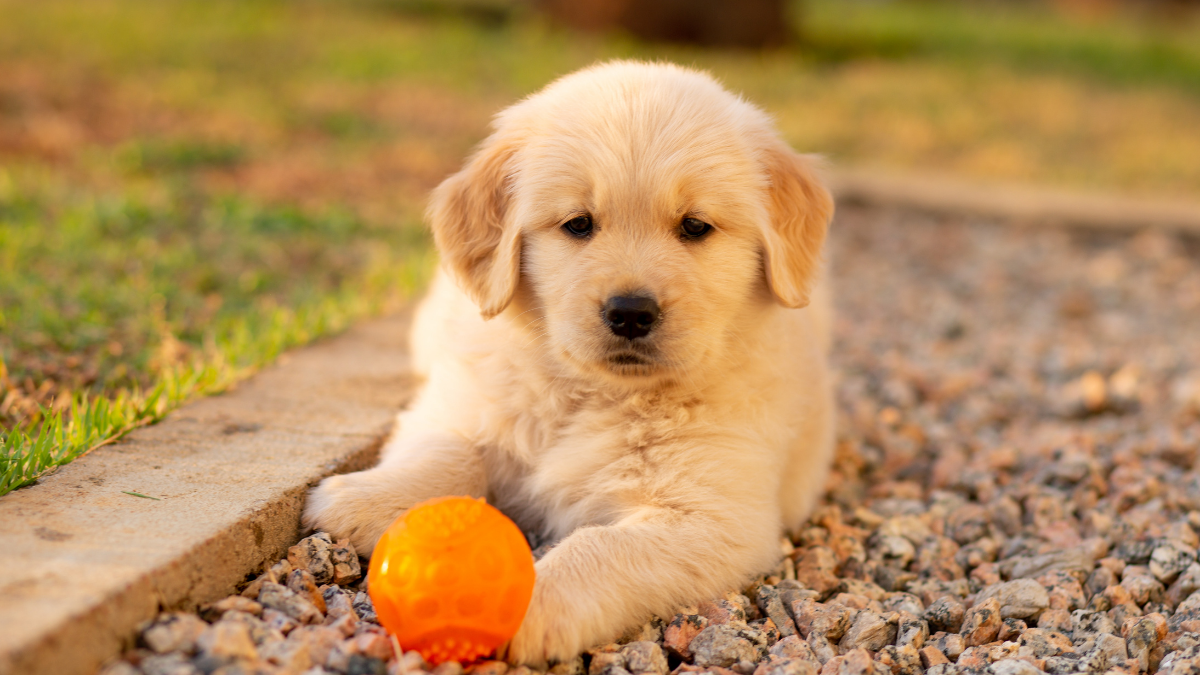
Bringing home a new puppy is exciting, but those first few days can also be busy. Having the essentials ready beforehand makes it easier to focus on helping your puppy settle into their new surroundings instead of making last-minute shopping trips. You don't need to purchase everything you might eventually use. Start with practical supplies that support feeding, sleeping, training, exercise, grooming, and safety. As you learn your puppy's personality and preferences, you can gradually add other products that genuinely suit their needs.
1. Puppy Food
Nutrition should be near the top of your preparation list. Choose food formulated for your puppy's life stage and appropriate for their expected adult size when relevant. Before bringing your puppy home, find out what they're currently eating. Maintaining the same food initially may help avoid an abrupt dietary change. When selecting puppy food, consider:
- Life-stage suitability
- Feeding guidelines
- Puppy size
- Nutritional information
- Storage requirements
If you plan to switch foods or have questions about your puppy's nutritional needs, your veterinarian can provide individualized guidance.
2. Food and Water Bowls
Dedicated bowls create a consistent feeding and drinking area. Look for appropriately sized options with stable bases and surfaces that are easy to clean. Fresh drinking water should be readily available according to your puppy's needs, and bowls should be cleaned regularly. Remember that a bowl suitable for a small puppy may eventually need replacing as your dog grows.
3. A Properly Fitting Collar and ID Tag
A collar can provide a convenient place for identification while becoming part of your puppy's everyday equipment. Because puppies grow quickly, check the fit frequently. Inspect the collar for fraying, damaged hardware, loose stitching, or chewed sections as well. An identification tag containing current contact information can also help someone contact you if your puppy becomes separated from you. You can discuss permanent identification options with your veterinarian.
4. A Dependable Leash
Bathroom trips, early training sessions, walks, and controlled outdoor exploration all require a reliable leash. Choose one appropriate for your puppy's current size and pay attention to the quality of the clasp, handle, and material. Inspect it frequently, particularly if your puppy likes chewing objects within reach. A straightforward leash can make those first outings easier to manage while your puppy learns what is expected.
5. A Comfortable Harness
A properly fitted harness can be another useful option for walks and outings. The harness should remain secure without restricting normal movement or rubbing against your puppy's body. It also shouldn't be loose enough for your puppy to slip out. Growth can change the fit surprisingly quickly, so check and adjust it regularly rather than assuming the original setting will remain appropriate.
6. A Puppy Bed
Puppies spend plenty of time resting, making a comfortable sleeping area an important addition. Consider your puppy's current size, expected growth, sleeping habits, cushioning needs, and the bed's durability. Washability is particularly valuable while your puppy is still learning household routines. You don't need to invest immediately in an elaborate bed. Starting with a practical, comfortable option allows you to learn how your puppy prefers to sleep before upgrading later.
7. A Crate or Secure Puppy Area
A crate, exercise pen, baby gate, or designated puppy-safe space can help you manage your puppy's environment while they adjust to their new home. If you're using a crate, select an appropriate size and introduce it gradually through positive experiences. It should function as a secure resting area rather than punishment, and puppies shouldn't be confined for inappropriate periods. A controlled area can also prevent unsupervised access to rooms you haven't completely puppy-proofed.
8. Puppy-Appropriate Toys
Play provides exercise, mental stimulation, interaction, and appropriate opportunities for chewing. Instead of buying dozens of toys immediately, begin with a small variety. You might include:
- Chew toys
- Fetch toys
- Interactive toys
- Puzzle toys
- Food-dispensing toys
- Soft toys
Choose products appropriate for your puppy's size and chewing behavior. Inspect toys frequently and remove anything that develops loose pieces or significant damage.
9. Training Treats and Rewards
Small rewards can make it easier to reinforce desired behaviors while teaching your puppy everyday routines. Training treats should be appropriately sized, particularly when you're providing multiple rewards during a session. Remember that treats contribute to your puppy's overall food intake. Food isn't your only option. Some puppies respond enthusiastically to praise, toys, attention, or a quick play session. Finding what motivates your puppy can make training more engaging.
10. Grooming Supplies
Introducing grooming early can help your puppy become accustomed to routine handling. Your exact supplies will depend on coat type and individual needs, but a starter collection might contain:
- An appropriate brush or comb
- Puppy-appropriate shampoo
- Towels
- Nail-care equipment
- Dental-care supplies
Different coats require different grooming routines. A veterinarian or qualified groomer can help you determine which tools and techniques are appropriate if you're uncertain.
11. Cleanup and House-Training Supplies
Accidents can happen while your puppy learns household routines, so having cleanup supplies ready beforehand can save considerable frustration. Keep waste bags, washable towels, a bag dispenser, and surface-appropriate cleaning products available. Any additional house-training supplies should match the routine you intend to establish. Store cleaning products securely where your curious puppy cannot reach them.
12. A Safe, Organized Puppy Area
One of the most useful things you can prepare isn't a single product at all—it's a designated area where your puppy can gradually become comfortable in their new home. Depending on your setup, you can keep their bed, crate, water, toys, and appropriate chews nearby. Having frequently used supplies organized in one place can also make it easier for everyone in your household to maintain consistent routines. Food, medications, household chemicals, and other potentially hazardous products should remain securely stored elsewhere.
Puppy-Proof Your Home Before Arrival
Puppies investigate their surroundings enthusiastically, often with their mouths. Before bringing yours home, look around from approximately puppy height and identify things they could potentially reach. Pay particular attention to electrical cords, medications, household chemicals, accessible trash, small objects, unsafe foods, potentially toxic plants, loose strings, unstable objects, and unsecured doors or gates. Puppy-proofing shouldn't be a one-time activity. As your puppy grows and becomes more adventurous, previously inaccessible areas may suddenly become reachable.
Buy for Your Puppy's Current Size
Purchasing everything according to your puppy's expected adult size might seem economical, but bigger isn't necessarily better. Collars, harnesses, toys, beds, and other equipment should be appropriate for your puppy now. Oversized equipment can be uncomfortable or unsuitable for its intended purpose. Expect some supplies to need replacement as your puppy grows.
Schedule Veterinary Care
No collection of puppy products replaces professional veterinary care. Arrange an initial veterinary appointment if you haven't already, and bring available vaccination, medical, breeder, shelter, or adoption records. Your veterinarian can provide guidance based on your individual puppy regarding nutrition, vaccinations, parasite prevention, growth, dental care, identification, and other health considerations.
Start With the Essentials and Learn as You Go
It's easy to overbuy when you're preparing for a new puppy. The problem is that you don't yet know exactly what your puppy will prefer. They might ignore the expensive bed, become obsessed with one particular toy, rapidly outgrow a harness, or need grooming tools you hadn't anticipated. Start with the 12 essential puppy supplies you'll actually need during those first days and weeks. Once your puppy settles in, you'll have a much better idea of which additional products deserve a place in your home. Preparing thoughtfully gives you something much more useful than an overflowing collection of pet products: a safe, organized environment where you and your new puppy can begin establishing everyday routines together.