Why Does My Cat Do That? 12 Common Cat Behaviors Explained
This post may contain affiliate links. Please read ourdisclosure policy
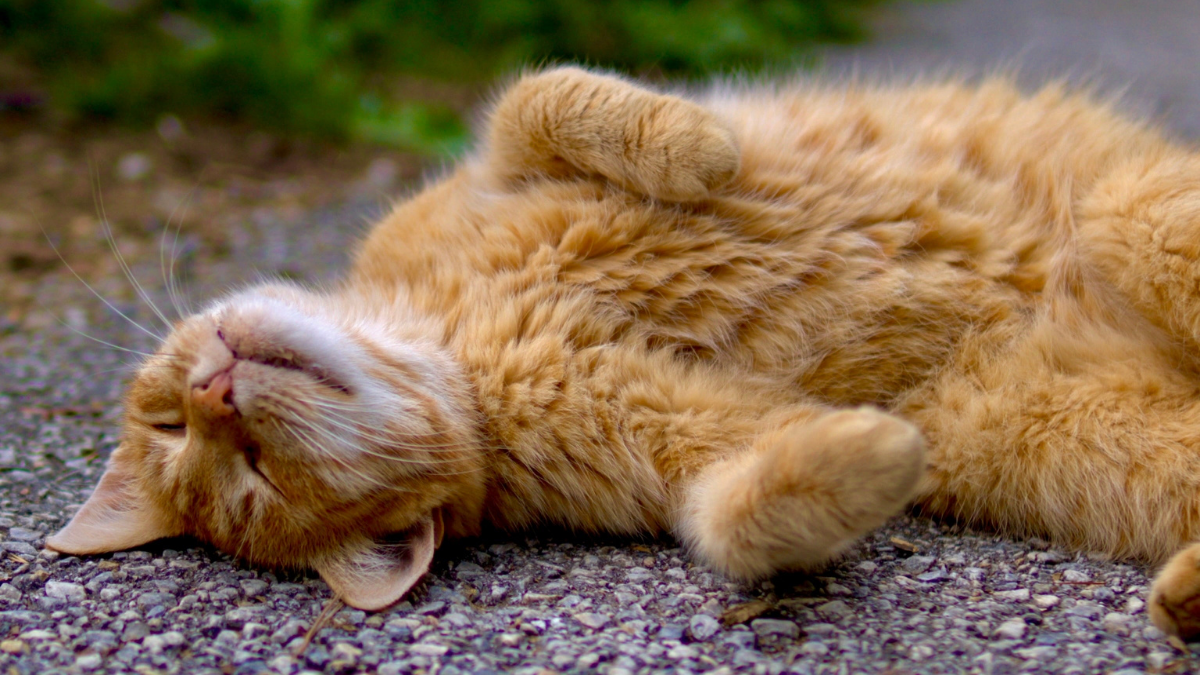
Cats can be mysterious, but many of their seemingly strange habits are completely normal. Understanding common feline behaviors can help you recognize what your cat may be communicating and notice when something changes.
1. Kneading With Their Paws
Kneading is the rhythmic pushing of the front paws against a soft surface. The behavior begins during kittenhood while nursing and may continue into adulthood when a cat feels relaxed or comfortable. If your cat's claws make kneading uncomfortable, place a thick blanket between you rather than discouraging the behavior.
2. Purring
Purring is commonly associated with contentment, but it doesn't always mean your cat is happy. Cats may also purr when stressed, frightened, or uncomfortable. Look at the entire situation. A relaxed cat purring on your lap communicates something very different from a cat that suddenly hides, refuses food, or behaves unusually.
3. Head-Butting and Rubbing
When your cat gently pushes its head or face against you, it's often called bunting. Cats have scent glands around their faces, and rubbing can deposit their scent on people and familiar objects. In comfortable situations, this behavior can also be part of friendly social interaction.
4. Slow Blinking
A cat that looks toward you before slowly closing and reopening its eyes may be displaying relaxed, nonthreatening body language. You can try slowly blinking back. Just remember to consider the rest of your cat's posture, including its ears, muscles, and overall body position.
5. Suddenly Running Around the House
Those unexpected high-speed sprints through the house are commonly called "zoomies." They're often an outlet for energy, particularly among younger and more active cats. Regular interactive play, chase games, and climbing opportunities can provide additional ways for your cat to exercise.
6. Scratching Furniture
Your cat probably isn't scratching the sofa simply to annoy you. Scratching is a normal behavior that allows cats to stretch, maintain their claws, and leave visual and scent-related signals. Offer appropriate alternatives such as:
- Vertical scratching posts
- Horizontal cardboard scratchers
- Angled scratchers
- Different cat-safe textures
Place scratchers close to areas your cat already likes to scratch.
7. Sitting in Boxes
Sometimes the box really is more exciting than whatever came inside it. Boxes provide enclosed spaces where cats can hide, rest, observe, and play while still keeping track of their surroundings. If you're offering cardboard boxes for enrichment, remove staples, loose tape, strings, and damaged pieces first.
8. Bringing You Toys
Some cats carry toys around and occasionally deliver them to their owners. The motivation can vary. It may relate to play or instinctive behaviors associated with capturing and carrying prey. Your cat might also have learned that bringing you a toy gets your attention. Try initiating a play session and see what happens.
9. Following You Everywhere
Your little shadow may follow you for several reasons. Your cat could be looking for food, play, social interaction, access to another room, or simply a comfortable place near you. Watch for patterns. Following you into the kitchen before dinner may have a very different motivation from settling beside you while you work.
10. Showing Their Belly
A cat exposing its belly may feel comfortable enough to assume a vulnerable position—but that doesn't automatically mean "please rub my belly." Some cats enjoy belly rubs, while others strongly prefer being touched around the head or cheeks. Respect your cat's individual preferences and body language.
11. Chattering at Birds
You may hear your cat make rapid clicking or chattering noises while intensely watching birds, squirrels, insects, or other animals through a window. The exact reason isn't completely established, so it's best understood as a behavior commonly associated with intense attention toward prey-like stimuli rather than one specific emotion.
12. Hiding
Hiding is often perfectly normal. Cats may seek secluded spaces to sleep, escape household activity, or simply spend time alone. However, a sudden and persistent increase in hiding deserves attention, particularly when accompanied by appetite changes, vomiting, litter-box changes, lethargy, breathing changes, or other unusual symptoms.
Learn What's Normal for Your Cat
Individual cats communicate differently. Instead of interpreting one behavior in isolation, consider your cat's ears, eyes, tail, posture, vocalizations, appetite, activity level, and surrounding environment. Learning your cat's normal routine can make significant changes easier to recognize. Scratching, climbing, hiding, and hunting-style play are also natural behaviors, so providing appropriate outlets is generally more useful than punishment. If your cat develops a significant or persistent behavioral change—especially alongside physical symptoms—contacting your veterinarian can help determine whether there's an underlying medical concern.